
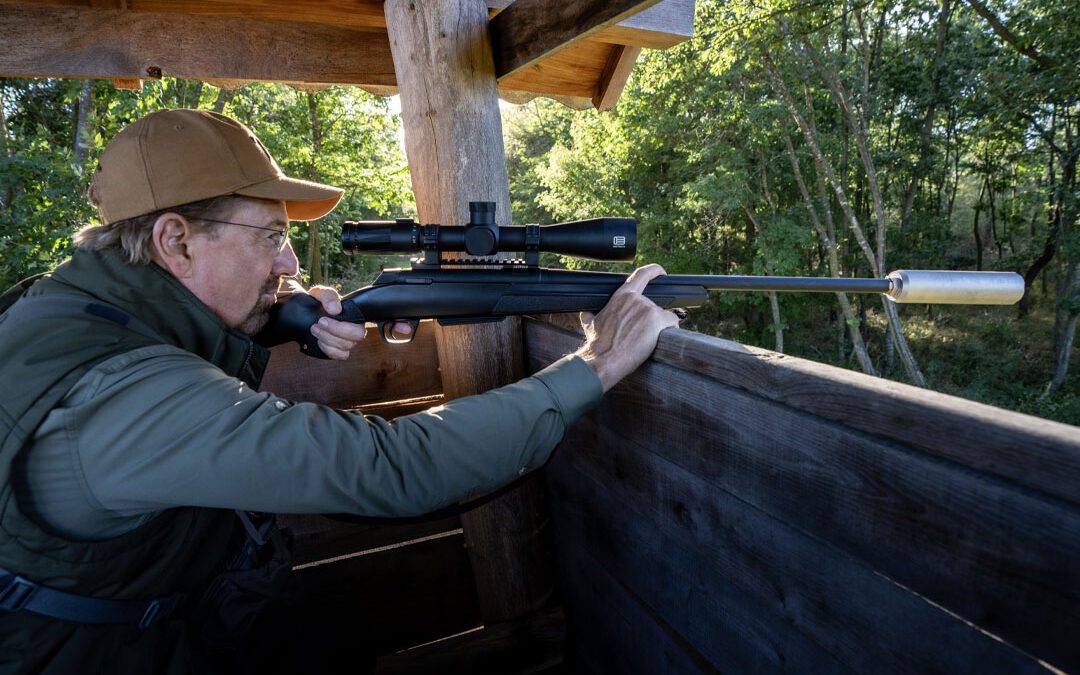
At a time when Americans are wrestling with inflation, national debt, border security, housing costs, energy prices, crime, foreign conflicts, infrastructure failures, as well as the lingering mystery of why airport food requires a small-business loan to purchase, Congress has courageously identified the true threat to the Republic: hearing protection.
Future generations will surely ask where we were when lawmakers bravely stood up to a menace so obscure that most Americans didn’t realize it was a menace at all. While ordinary citizens worried about paying mortgages and keeping the lights on, elected officials were hard at work protecting society from people who had already passed background checks, completed federal paperwork, paid additional taxes, submitted fingerprints, endured waiting periods, and followed every rule placed in front of them. This, apparently, was the emergency.
According to sources familiar with the legislative process, months of study, meetings, briefings, hearings, consultations, press releases, fundraising emails, and catered lunches ultimately led policymakers to a revolutionary conclusion: if something exists and is owned primarily by law-abiding people, it should probably be regulated more heavily. After all, solving problems is difficult, but regulating people who already obey the law is comparatively simple.
Mark Twain is often credited with warning that “No man’s life, liberty, or property is safe while the legislature is in session,” and whether he said it or merely deserves to have said it, Congress seems determined to submit supporting evidence.
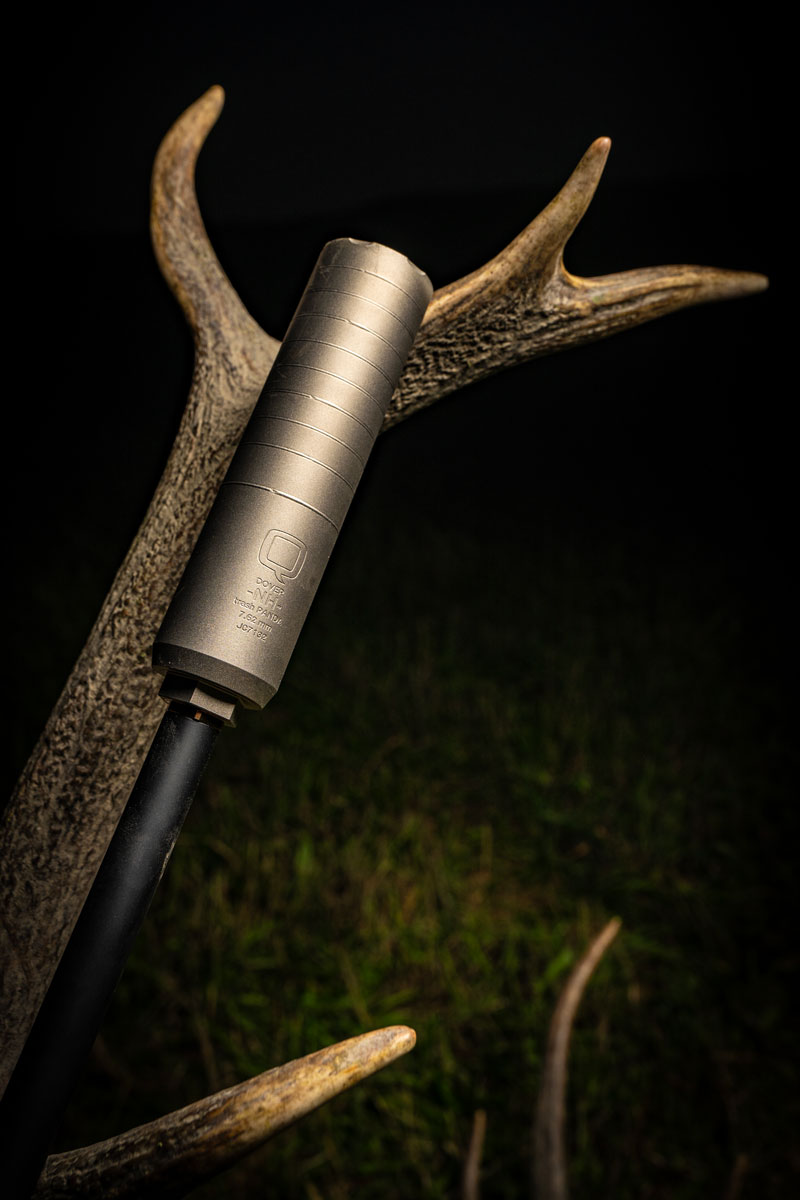
Critics have pointed out that suppressors are commonly used to reduce noise and help prevent hearing damage. These critics, unfortunately, have committed one of Washington’s cardinal sins: introducing practicality into a policy discussion. Nothing makes a politician more uncomfortable than a workable solution, because practical solutions raise expectations. Once voters begin expecting government action to accomplish its stated goals, the entire system risks collapsing under the burden of accountability. It is far safer to pursue symbolic victories that generate impressive headlines while demanding no discernible effects whatsoever.
The suppressor debate provides a master class in this philosophy. Anyone whose understanding of firearms comes primarily from action movies might assume a suppressor transforms a gunshot into something resembling a librarian sneezing into a pillow. In reality, suppressors reduce noise levels but do not eliminate them.
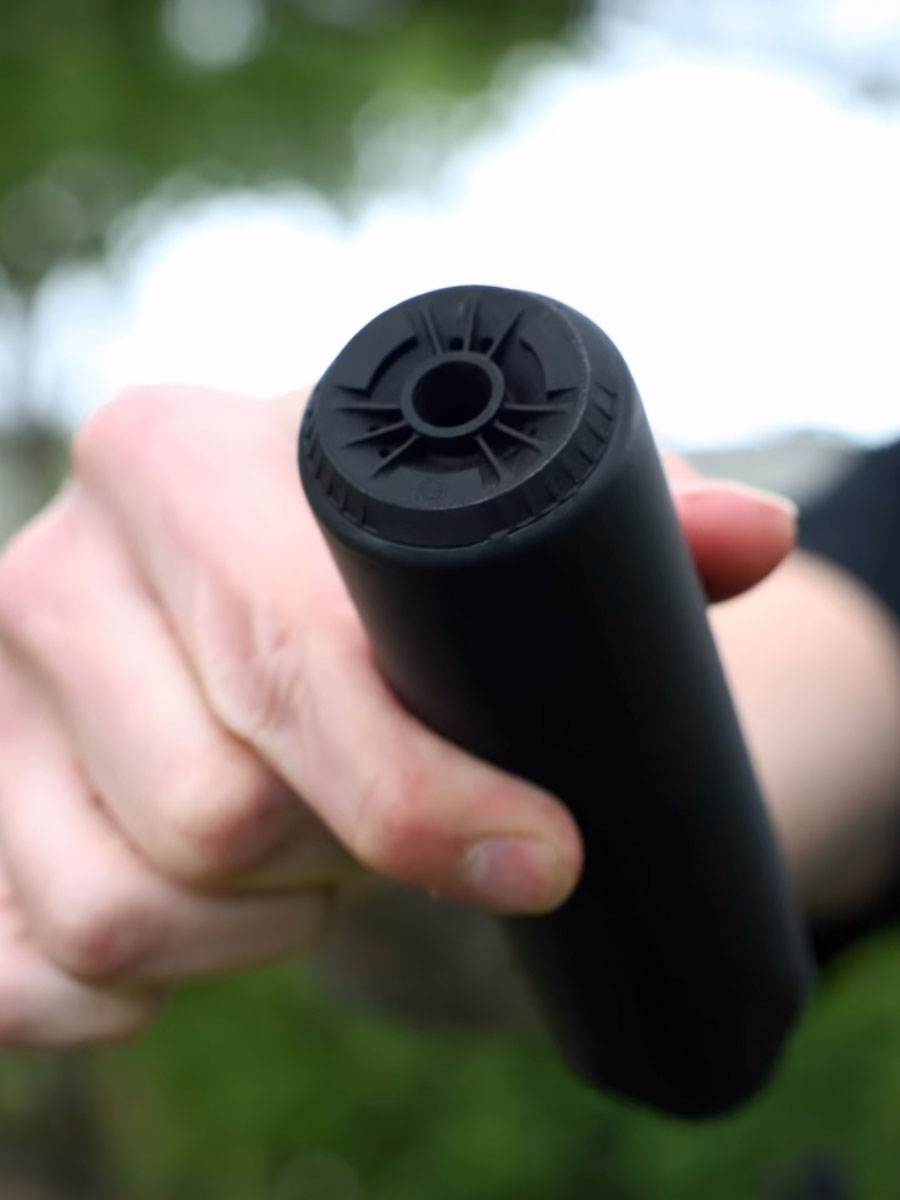
Yet Hollywood has become America’s most trusted source of technical expertise, ranking slightly above social media influencers, reality television contestants, and that guy at Thanksgiving who insists he has “done the research.” In movies, suppressors produce a sound best described as a mild cough from a well-mannered squirrel. In real life, they simply reduce the blast to less damaging levels. Unfortunately, reality has never enjoyed the marketing budget of Hollywood.
One congressional aide, speaking on condition of anonymity because anonymity remains one of the few resources still available without federal permitting requirements, explained the concern: “If suppressors reduce noise, criminals might use them.” This observation was received with great seriousness until someone gently pointed out that criminals already ignore laws against robbery, assault, murder, drug trafficking, theft, fraud, illegal firearm possession, and approximately every other activity that qualifies a person as a criminal in the first place. The aide reportedly stared silently into the middle distance before requesting funding for a comprehensive multi-agency study on whether criminals should be expected to obey criminal laws. Results are expected sometime in 2041.
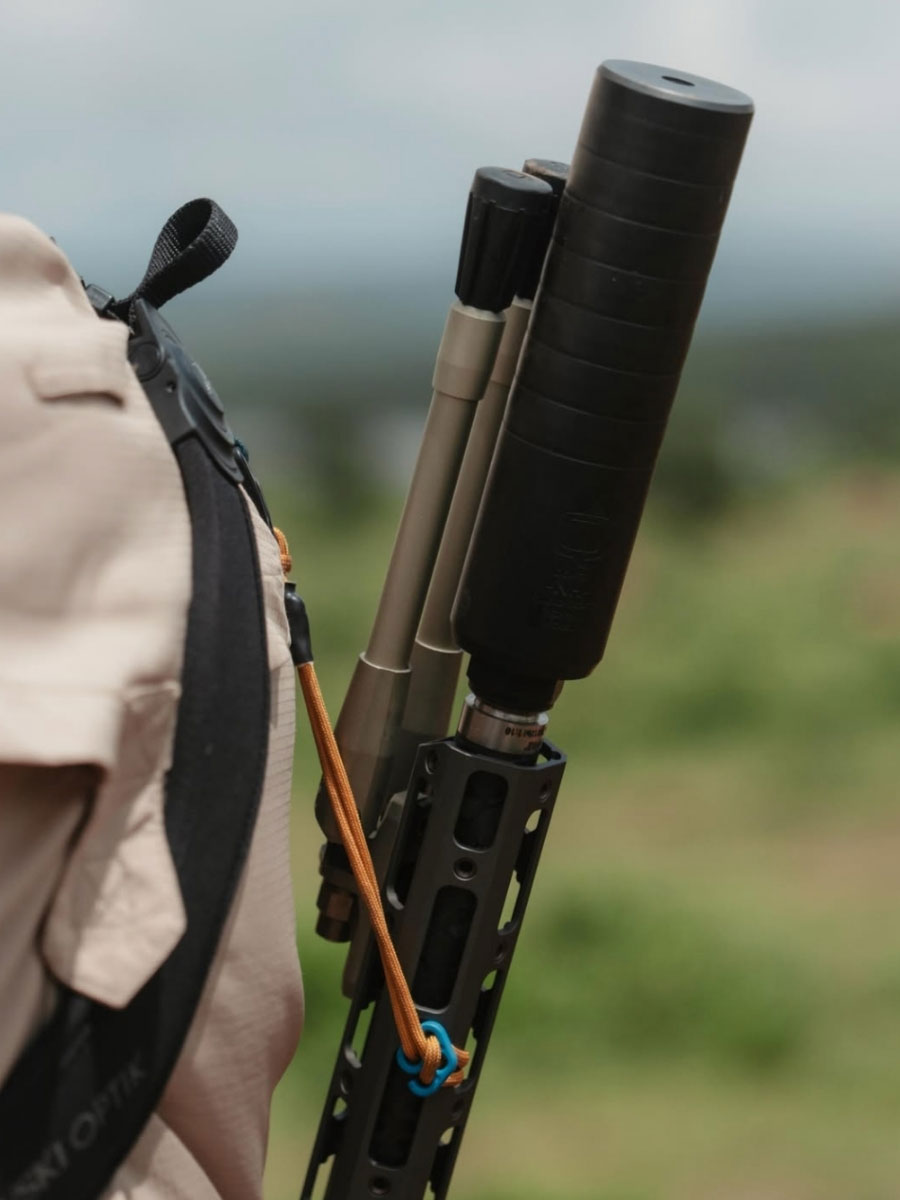
Meanwhile, millions of ordinary Americans were shocked to discover they had unknowingly become participants in a sinister conspiracy. “All these years I thought I was protecting my hearing,” said one recreational shooter. “Turns out I was apparently operating as part of an elaborate underground network dedicated to reducing decibel levels.”
Audiologists have reportedly been stunned as well. For decades, hearing experts have warned people about permanent hearing damage and encouraged ear protection at work sites, concerts, sporting events, industrial facilities, construction projects, airports, and shooting ranges. Now they find themselves watching lawmakers debate whether one form of hearing protection should be treated as a public menace. “We were under the impression that preserving hearing was generally considered a good thing,” one expert confessed. “Clearly we have fallen behind the science of modern politics.”
The proposal emerges amid what researchers call Symbolic Legislation Syndrome, a condition affecting elected officials across the political spectrum. The disorder causes lawmakers to confuse activity with achievement and announcements with accomplishments. Typical symptoms include believing press conferences are measurable policy outcomes, mistaking movie plots for evidence, treating social media engagement as statistical analysis, and assuming criminals carefully monitor legislative updates before planning illegal activities.
Victims often experience an irresistible urge to introduce legislation immediately following any headline, regardless of whether the legislation addresses the underlying issue. In severe cases, lawmakers may become convinced that passing additional regulations automatically produces compliance among individuals whose defining characteristic is a willingness to violate regulations.

The suppressor debate also reveals one of Washington’s favorite traditions: creating a problem in order to solve it. The process begins by identifying a relatively uncommon issue, dramatically expanding its significance until it appears capable of ending civilization, then proposing sweeping solutions that generate publicity, campaign donations, and cable-news appearances. Whether the solution actually addresses the problem is considered a secondary concern, but this approach has been remarkably successful.
If current trends continue, Congress may soon address additional national emergencies: restrictions on ladders because some people fall off them, scrutiny of kitchen knives because criminals occasionally use objects found in kitchens, and a federal task force charged with reducing gravity-related injuries by discouraging gravity.
The most impressive aspect of the entire debate is the confidence with which politicians discuss subjects they clearly learned about fifteen minutes earlier from a staff briefing and a movie marathon. There is something unquestionably inspiring about watching public officials explain technical matters while displaying the same level of expertise normally associated with tourists attempting emergency heart surgery after watching three episodes of a medical drama.
Yet perhaps that is the true genius of modern policymaking. Why burden yourself with evidence when certainty is so much easier? Why consult experts when assumptions are readily available? Why address root causes when accessories, objects, and inanimate equipment are incapable of hiring lobbyists, conducting interviews, or defending themselves?
As the debate goes on, Americans can take comfort in knowing their leaders remain laser-focused on priorities. While large and complicated problems compete for attention, lawmakers have once again demonstrated an uncommon ability to locate the smallest branch on the tallest tree and declare it the defining challenge of our era.
At press time, Congress was reportedly preparing emergency hearings on the threat posed by umbrellas, which experts fear may encourage reckless exposure to rain. A bipartisan commission has also begun investigating whether outlawing tides could reduce coastal flooding. Their preliminary report is expected shortly after they finish solving traffic congestion by banning cars and dealing with obesity by regulating spoons.
The nation’s future, thankfully, remains in skilled hands.