
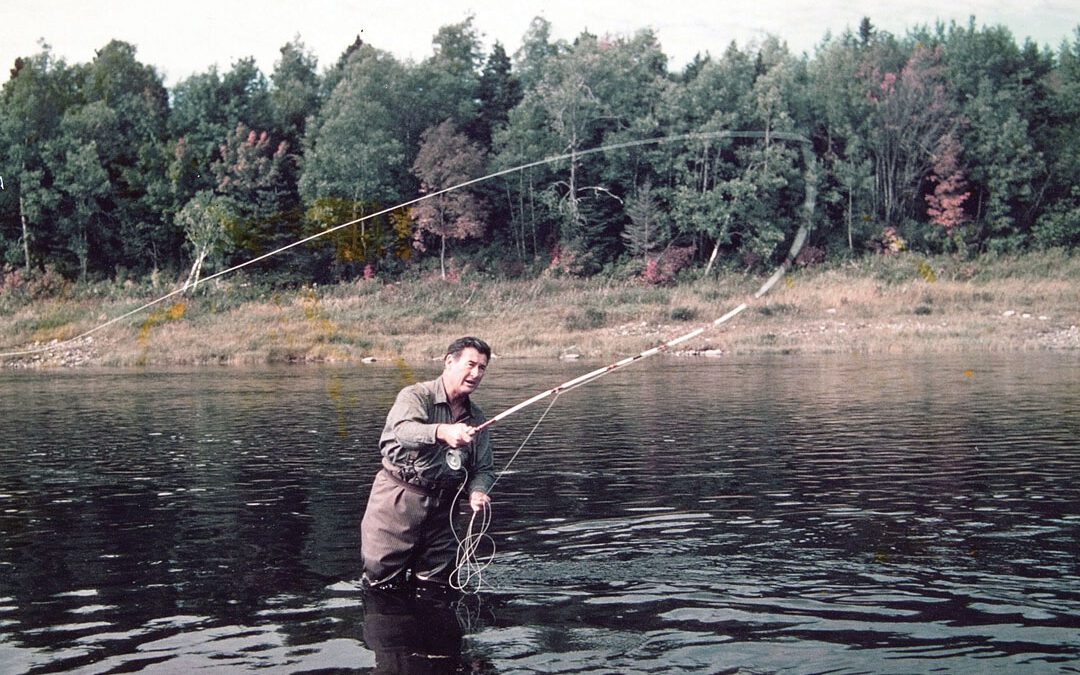
They called him The Kid. The Splendid Splinter. Teddy Ballgame. And by his own admission all he wanted in life was to walk down the street and have people say, “There goes Ted Williams, the greatest hitter there ever was.”
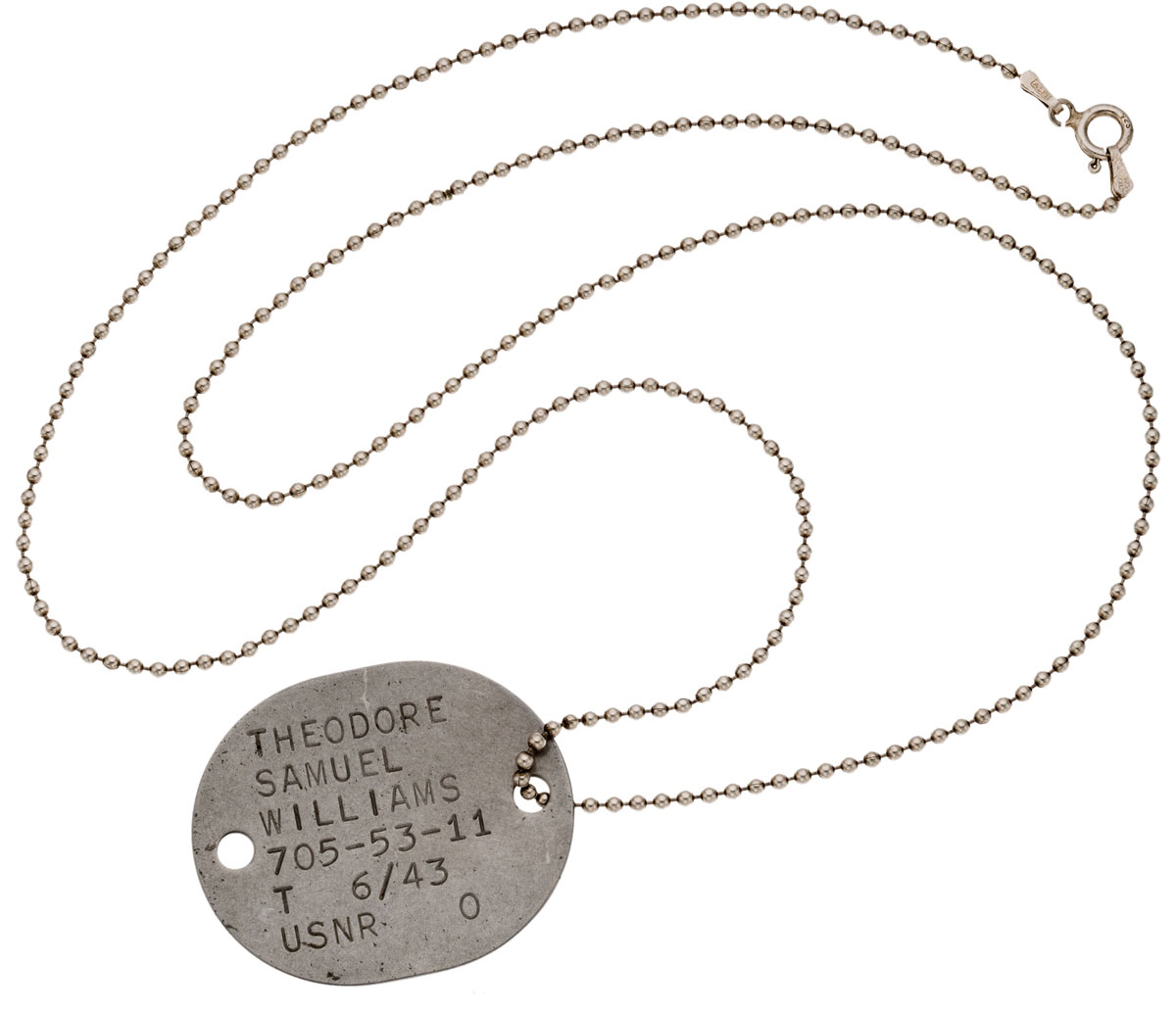
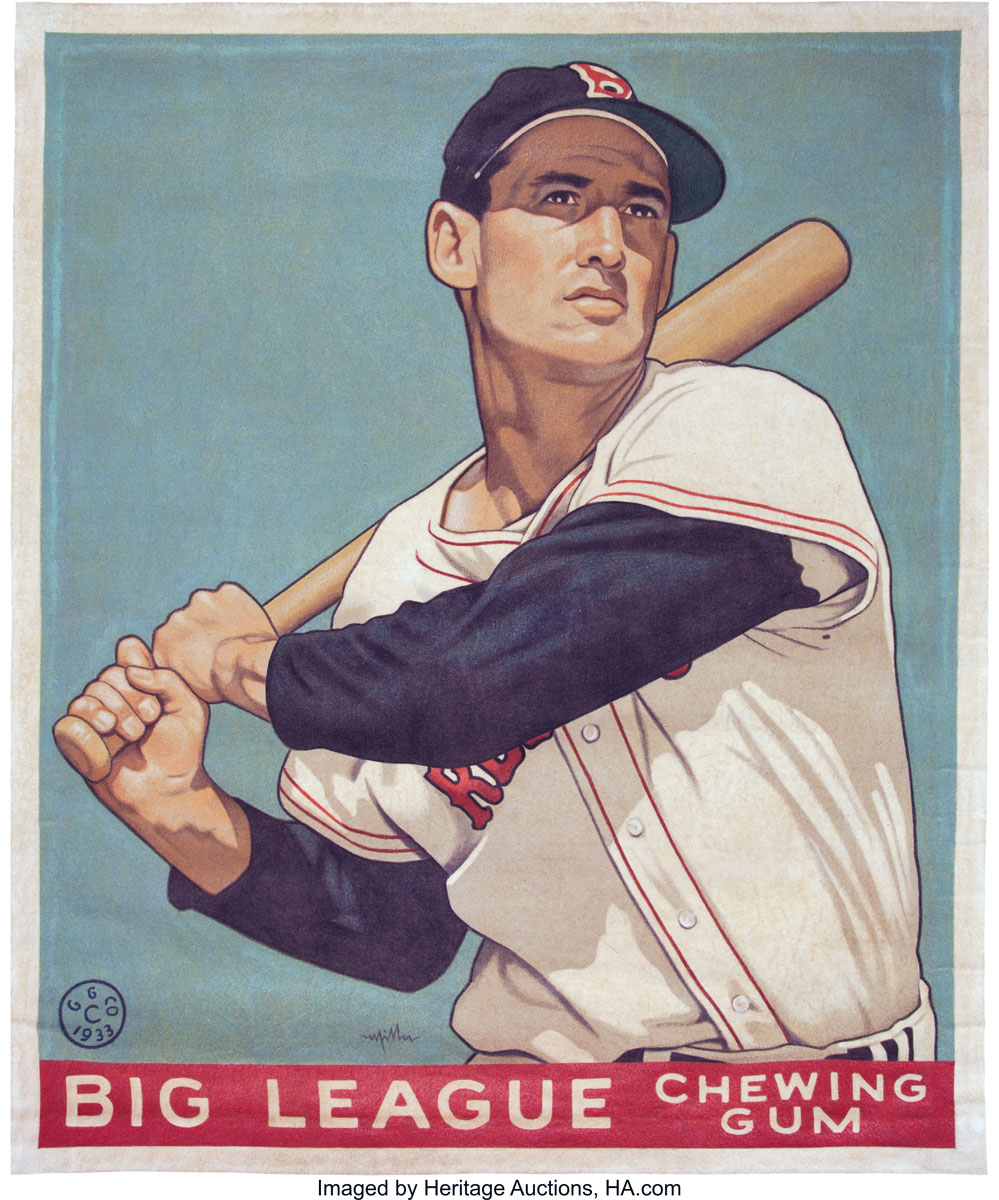
Arguably the best player the game has ever seen, Williams compiled a lifetime batting average of .344 while hitting 521 home runs over a career spent entirely with the Boston Red Sox. Williams was the last player to hit more than .400 in a season, hitting .406 in 1941. Most remarkable perhaps is the fact that Williams lost five seasons at the peak of his major league career due to service in World War II and the Korean Conflict. In the military, Williams matched his on-field performance as a Navy and Marine flyer. Primarily a trainer during World War II, he flew 37 missions over Korea serving as a wingman for future astronaut and Senator, John Glenn. A hero in the sports world and a remarkable military career made Williams an American icon. Yet besides these incredible accomplishments was an individual whose mark on the outdoor sporting world is perhaps unparalleled.
It was in my early childhood in the late 1960s that I first came to know of Ted Williams. His face was on the label of a Sears tent that my father owned for many years. I knew less of Williams the baseball legend and more of him as an outdoor promoter in my youth. In fact, Williams became among the first sports figures to turn his superstar persona into a product endorser and household name.
After retiring from the Boston Red Sox following the 1960 season, (in which he hit a home run in his final at bat), Williams became a spokesperson for Sears. Throughout the 1960s nearly all Sears sporting equipment bore the Ted Williams name, whether it be fishing reels, shotguns, boats or campers. Being named the chief advisor of all sporting good products, Williams’s careful attention to detail in all he did allowed Sears to market their products as personally approved and tested by him, giving a well-deserved reputation for quality products. Williams even had a staff of advisors working underneath him. Most notable was legendary mountaineer Sir Edmund Hillary who, even at the time, fell under the shadow not of Mount Everest, but that of the great Ted Williams. A generation of Americans came to know Ted Williams as the face of America’s number one retailer as well as its greatest baseball player.
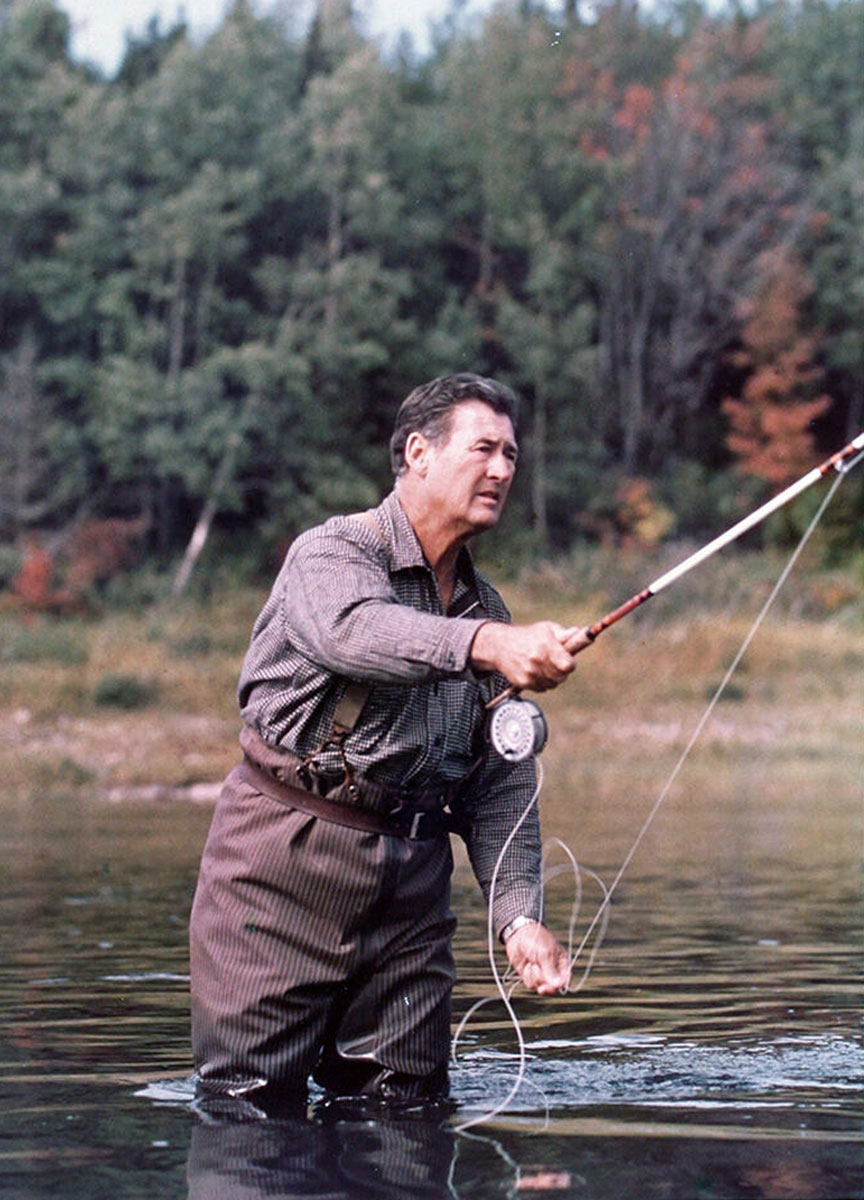
Yet it was fishing that may have been the true passion of Ted Williams—more than baseball and perhaps more than life itself. Growing up in San Diego, Williams was introduced to fishing at an early age, and it was a pursuit that would come to consume him. Playing minor league ball in St. Paul, Minnesota, Williams was known to fish for walleye and northern pike on area lakes anytime the opportunity presented itself. Famously known for his acerbic and somewhat aloof personality, fishing seemed to provide an element of escapism from the outside world. Williams began to study fishing with the same veracity that he applied to the art of hitting. He had no interest in being a casual fisherman, but rather wished to become an expert in all aspects of the sport.
During his days in Boston, Williams was known to fish local haunts, once landing a 395-pound tuna in 1949 near Cape Cod. Only when he discovered that the action of casting a rod was interfering with his bat swing did he relegate his passion to the off season. Perhaps to avoid the pressures of being the greatest ballplayer of a generation, he would retreat to his hotel room after games where he found solace in tying flies. Again, he approached his hobby with an obsessive drive for perfection, creating his own designs that were innovative and effective. While fly-fishing was his passion, Williams was ever the pragmatist and would apply all fishing techniques to the test given the appropriate circumstances, whether it be spin- or baitcasting. While his fishing quests would eventually take him throughout the world, Williams found his primary solace in two distinctly different fishing worlds: Islamorada, Florida, and the Miramachi River in New Brunswick.
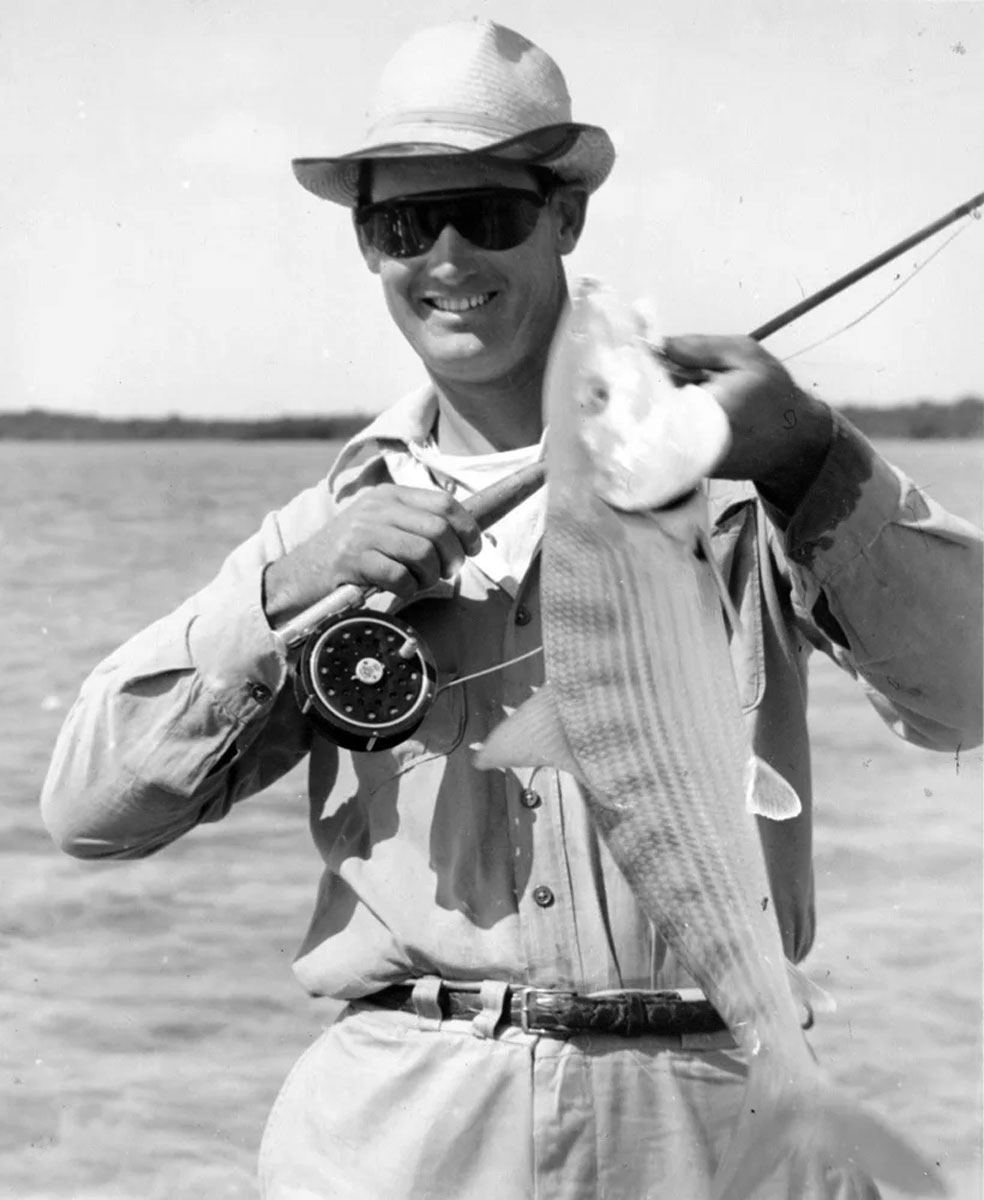
Islamorada is known today as the Mecca of North American saltwater fishing. When Ted Williams first came to know of Islamorada, it was a sparsely populated hamlet midway on the Florida Keys. Williams came to Islamorada in order to become one of the first individuals to pursue bonefish with a fly rod. And with the same enthusiasm for a fast ball thrown ever so slightly into his zone, he attacked bonefishing in a likewise manner. Perfecting, if not helping to invent the technique of poling a boat in saltwater flats, Williams was unrelenting in his quest for bonefish. A myth came to be accepted that Williams could count the stiches on an incoming pitch, (which he in fact denied being able to do). However, those who fished the saltwater flats with him were simply amazed at his extraordinary, if not superhuman vision. Able to see a bonefish undetectable to his boat mates, Williams could delicately place a fly anywhere he wished and with great results. Largely because of Ted Williams, fly-fishing for bonefish became popular. And also because of Williams, the relatively unknown key of Islamorada exploded in size and became a destination for anglers throughout the world to pursue the same fishing opportunities as The Kid.
But Ted Williams was not content to settle with bonefish. Once he mastered the art, he yearned for another challenge. That led him to pursue tarpon with the same vengeance. Establishing the Gold Cup Invitational Tarpon Fly Tournament, Williams would take honors twice, solidifying Islamorada as a fisherman’s paradise and his own reputation as perhaps America’s greatest living fisherman. And through his radio and television broadcasts, he increased his stature as well as that of Florida tourism. Often fishing alone, Williams’s silhouette would come to define Key’s fishing for three decades.
Summers would take Ted Williams from his Florida home to the banks of the Miramachi River in New Brunswick in search of Atlantic salmon, a species he referred to as “the greatest game fish that swims.” And while his legendary status as a fisherman is often linked to Islamorada, it was perhaps on the Miramachi that the complicated, cantankerous Williams came close to finding peace with himself. Spending three months each year in New Brunswick, Williams devoted each day to every minute detail of fishing for salmon, whether it be tying flies or meticulously taking inventory of his gear. His fanaticism toward maintaining his equipment perhaps exceeded his attention to the detail of his bats. Only resting to catch a Red Sox broadcast on the radio in the evenings, Williams attempted yearly, usually succeeding, in landing 1,000 salmon. So passionate was his dedication to salmon fishing that it led him to lobby for legislation calling for limits on commercial fishing for Atlantic salmon.
Fishing with Ted Williams was not for the faint of heart. His personal perfectionism that he sought in baseball, business and his outdoor endeavors did not allow him to settle for mediocrity. That meant fishing with individuals who were either neophytes or simply did not have the skill level of himself or to which he aspired to be. This may explain why Williams oftentimes opted to fish alone and rejected multiple requests from others wanting to learn from the master.
Much has been written and discussed about the great Ted Williams. He was a complicated man known to possess a volatile temper a little tolerance for anything short of excellence in any endeavor. He came to personify perfection if not exceptionalism in every one of his pursuits. Enshrined on his first ballot into Cooperstown in 1966, Williams was also inducted into the International Game Fish Association Hall of Fame and shares the rare honor of being recognized for reaching the pinnacle of success in separate sporting endeavors. His contributions to Florida tourism and post-war growth, along with his efforts to save the Atlantic salmon have had an impact felt to this day.