
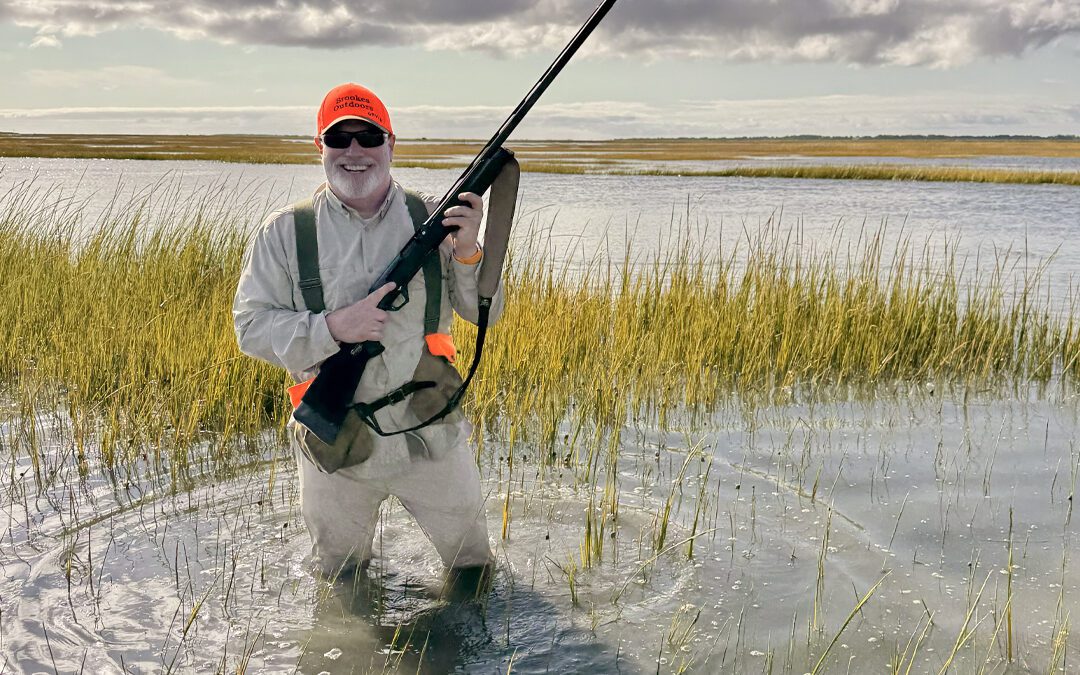
Looking for a different kind of bird hunt this fall? If so, a clapper rail hunt—an interesting hybrid of upland and waterfowl hunting—in the coastal waters of Virginia’s Chesapeake Bay may be the answer.
Though not as popular as it once was, chasing these shorebirds on the Eastern Shore of the Chesapeake Bay for both subsistence and sport is an age-old tradition, going back to the Colonial period.
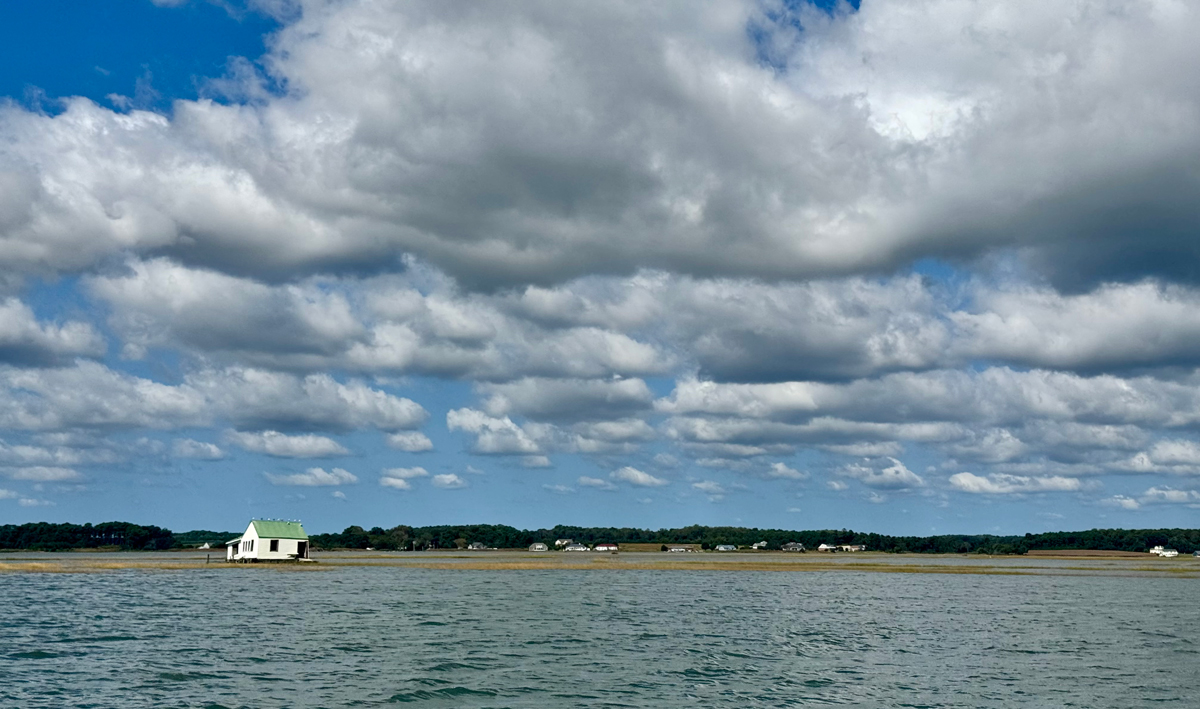
Indeed, local “watermen” harvested the tasty clapper rail as tablefare for big East Coast cities, while gentleman hunters, such as Presidents Benjamin Harrison and Teddy Roosevelt, reportedly enjoyed chasing these birds, too.
The clapper rails—aka “marsh hens” by locals—are a migratory bird that inhabits the saltwater marshes of a good part of the East Coast. While the exact numbers are hard to come by, biologists and guides consider the state’s clapper rail population to be steady, but vulnerable due to climatic and habitat changes.
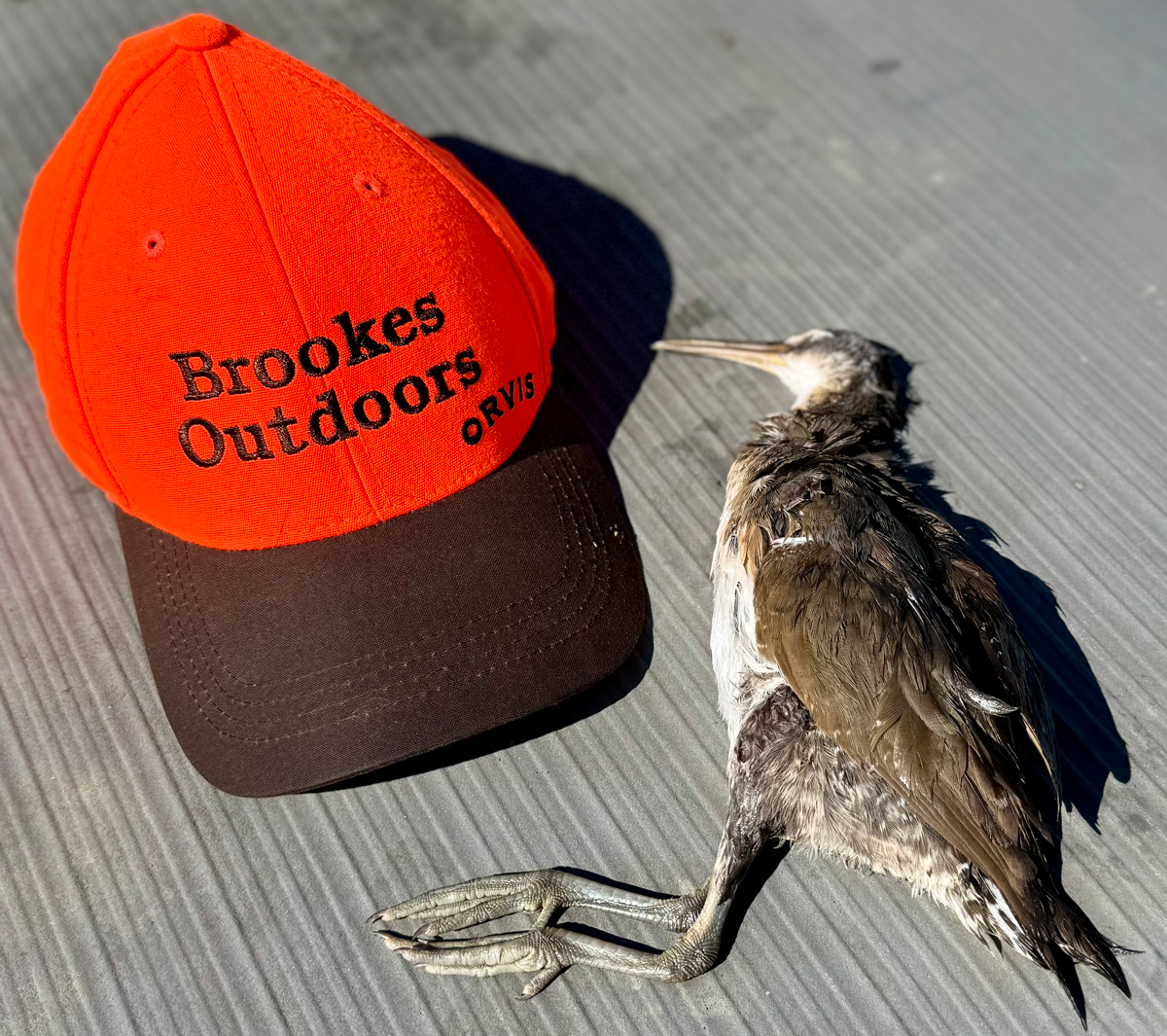
The marsh hen is a cartoonish-looking, medium-sized bird with a longish beak, smallish wings, and longish legs. Without webbed feet, they aren’t strong swimmers, and as their luck would have it, they aren’t strong fliers, either.
A fall rail hunt is best arranged around a high tide; a full moon with an even higher tide is a bonus. A higher water level reduces the availability of preferred cover: spits of high marsh festooned with saltmeadow grasses (e.g., spartina).
Indeed, considering their anatomical attributes, the shorebirds prefer to hide. Rails are reluctant fliers and will run and or swim away quietly to escape. And they secrete well, sitting low in the water and blending in with their dark, camouflaging plumage.
Expect a boat ride to the hunting area and be prepared to get wet. While you can shoot rail from a boat that isn’t under power (in the old days, hunters poled the marshes with specially-designed rail skiffs), wading to flush birds is the most common practice today in Virginia.
While keeping an eye out for birds—they don’t generally flock up—a guide might pilot the boat into the end of a stretch of marsh grass, where the hunters disembark into the water to push birds like on an upland hunt.
It’s not uncommon to have a bird or two bust behind a drive through one of these high marsh areas. When birds do flush, these stealthy shorebirds soundlessly fly away just above the water’s surface.
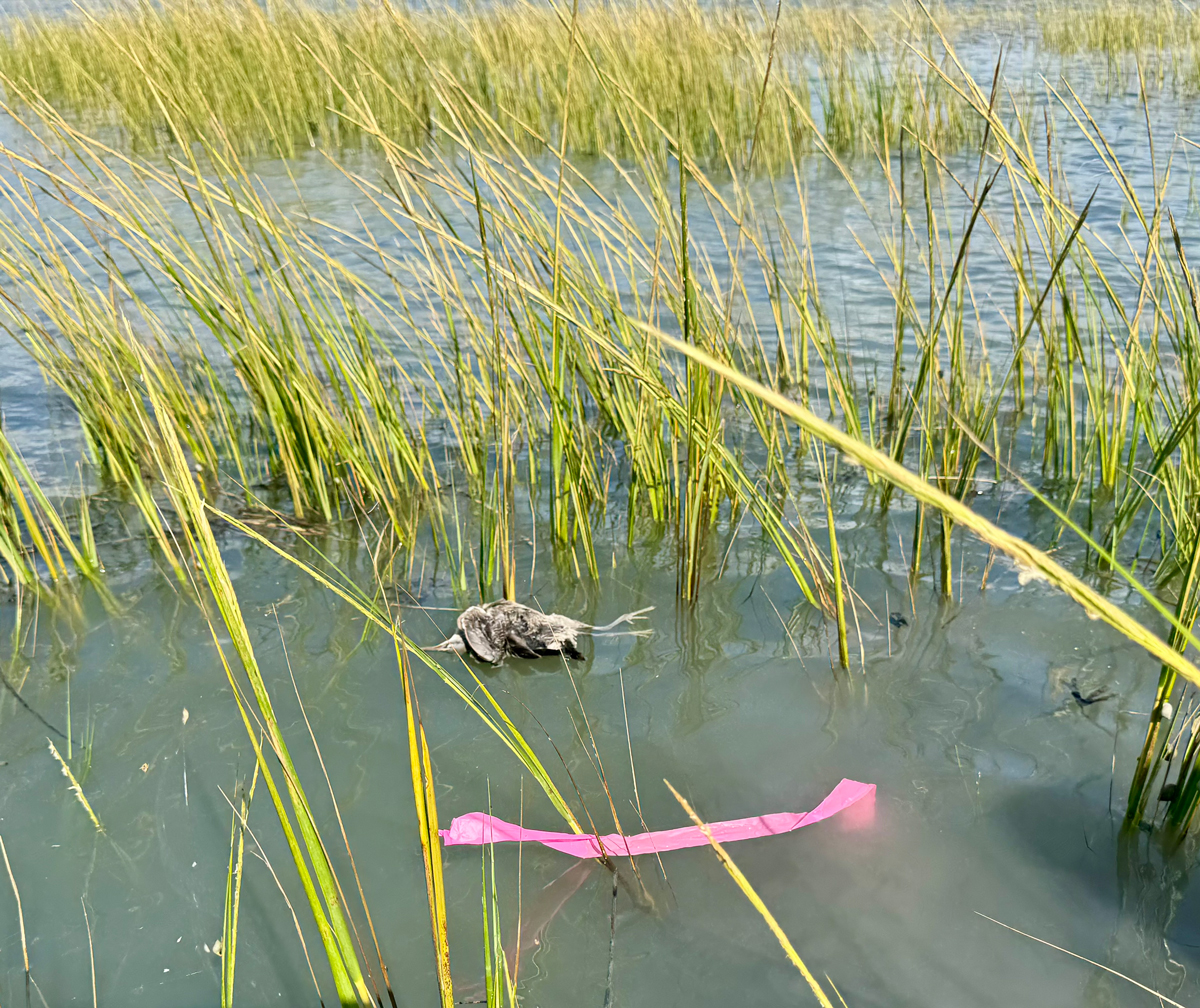
It’s also easy to lose track of a downed rail. Guides and hunters often mark a harvested bird by throwing a ribbon of brightly colored, plastic flagging tape, anchored by a fishing weight, to where they saw the bird go down.
While not necessary, hunting dogs are often used for flushing and retrieving rail in the marshes. Common breeds include Chesapeake Bay and Labrador retrievers, and Boykin and Springer spaniels.
The Virginia rail season usually has a September-October and a November split. If you’re a good shot and the tide is right, a limit of rails is certainly attainable in a single-day’s hunt. According to the 2026-2027 Department of Wildlife Resources Migratory Game Bird Guide, the Virginia bag limit is 10 for this upcoming season, down from 15 in 2025-2026.
A 20-gauge shotgun with a relatively open choke (IC or skeet) and non-toxic 7-shot shells is a good set-up. It doesn’t take much to fold a rail. Due to being in saltwater, a good cleaning and oiling of your firearm is in order after a rail hunt.
You might think of rail hunting as an upland-waterfowl “mixed bag.” It certainly offers the uninitiated bird hunter a new adventure afield, and it’s a great way to kick off Virginia’s bird season–if you don’t mind getting wet.
Dr. Peter Brookes is an award-winning outdoor and travel writer from Virginia at Brookes Outdoors. He can be reached at brookesoutdoors@aol.com