
America’s most popular hunting breeds—and the people who wouldn’t dream of owning anything else.
Tell a hunter his truck is junk and he might agree. Suggest he bought the wrong dog and you’d better arrange another ride home. Breed loyalists run unpaid publicity departments, explaining why digging, drooling, and selective deafness display superior breeding. They’ll buy the same breed forever. Then there are breed hoppers, perpetually shopping for perfection: a Lab, a pointer, a spaniel. Different upholstery damage, same optimism.
For a numerical referee, I used the American Kennel Club’s 2025 registration rankings and selected the ten highest-ranked Sporting and Hound breeds. This measures registered-purebred popularity, not how many dogs actually hunt. The public rankings offer positions rather than breed totals, so nobody should mistake the scoreboard for a census of duck blinds.
The Labrador leads this hunting-breed lineup, ranking second overall after its 31-year run atop all breeds ended in 2022. Its ancestors worked with Newfoundland fishermen, retrieving fish and hauling nets. Watch one excavate your landscaping, however, and you’d swear Labs were originally bred to dig onions. The duck-retrieving business came later; the gardening remains pro bono.
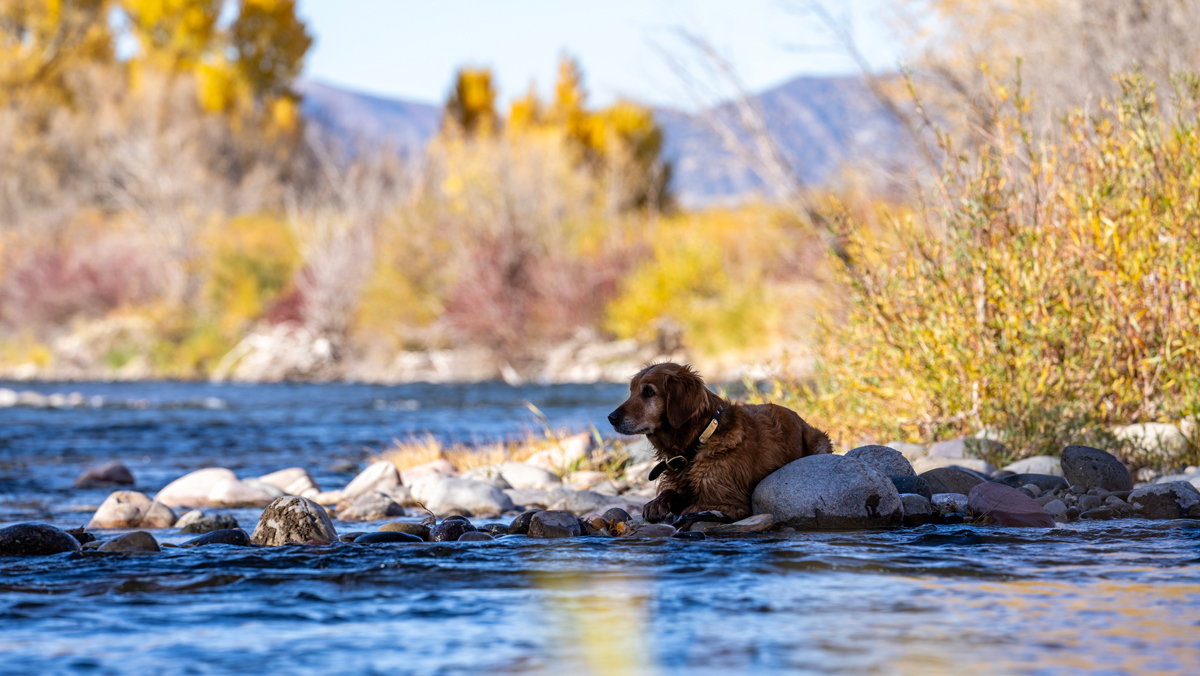
Golden retrievers have their own floral connection: the famous Scottish litter of 1868 included Cowslip, Crocus and Primrose. These willing retrievers carry almost anything, which explains how a magnificent pheasant dog can also greet company with a dead squirrel of a week ago.
The dachshund’s name means “badger dog,” and that long, low body was designed for underground combat, not novelty sweaters. Asking one to obey seems optimistic when its ancestors were selected to argue with badgers. Beagles, meanwhile, bring centuries of rabbit-and-hare-hunting heritage and a superb nose. Once that nose switches on, the owner’s voice turns into a distant foreign-language broadcast.
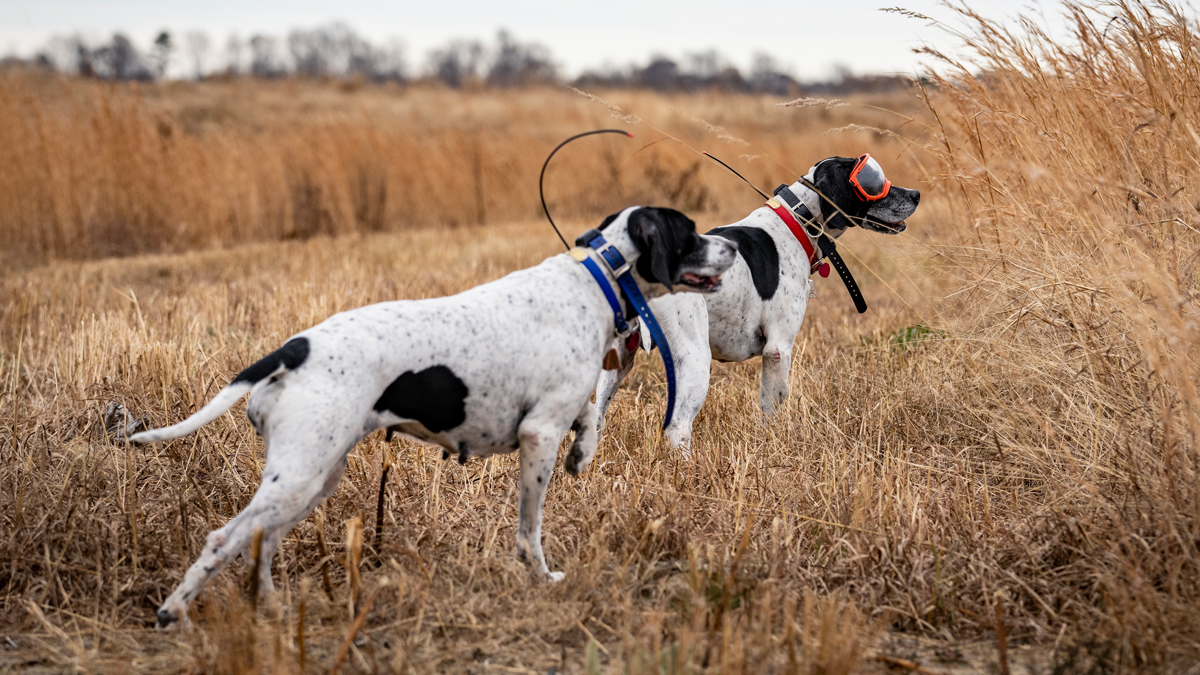
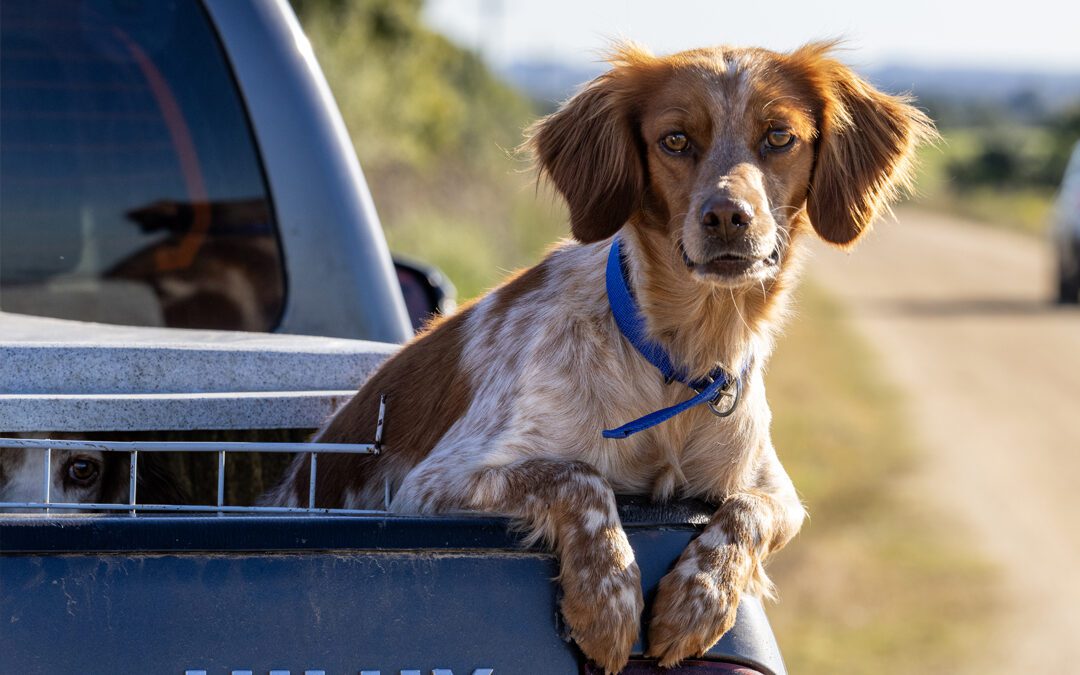
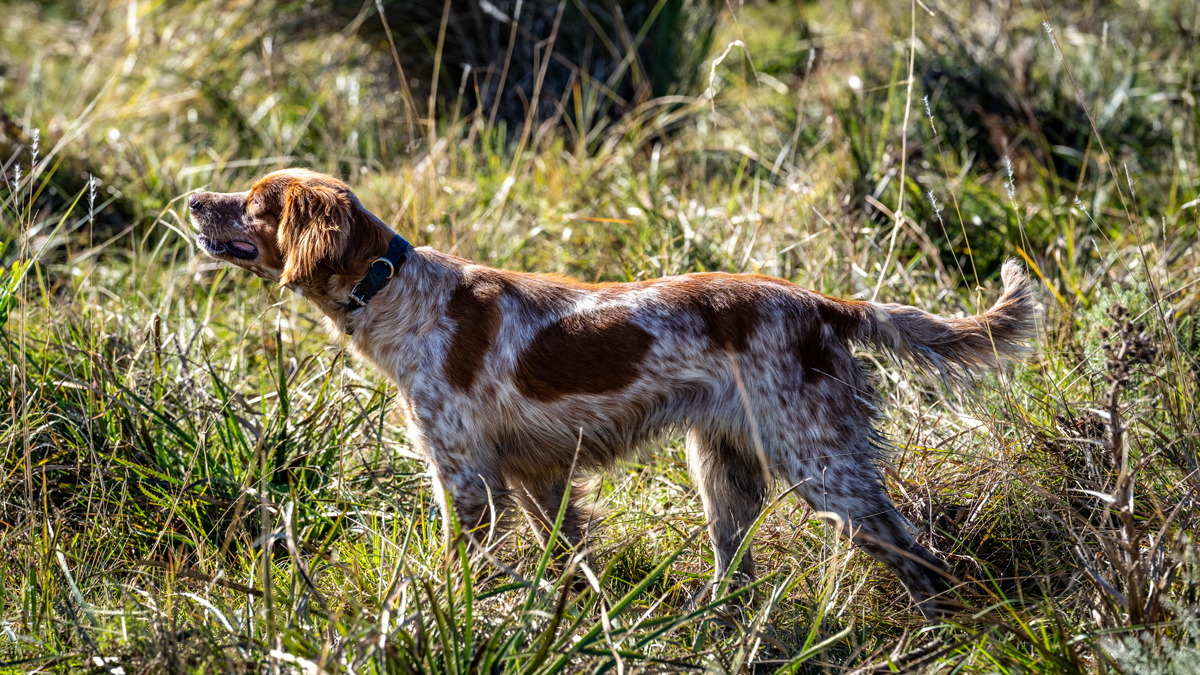
German shorthaired pointers were developed as versatile hunters, capable of pointing, retrieving, and tracking. They have enough energy to make a marathon runner reconsider his fitness. Their owners call this drive; their neighbors call about the fence. The Brittany, an athletic French pointing dog, officially lost “Spaniel” from its AKC name in 1982. It kept the enthusiasm. Apparently removing two syllables was the only weight-saving measure available.
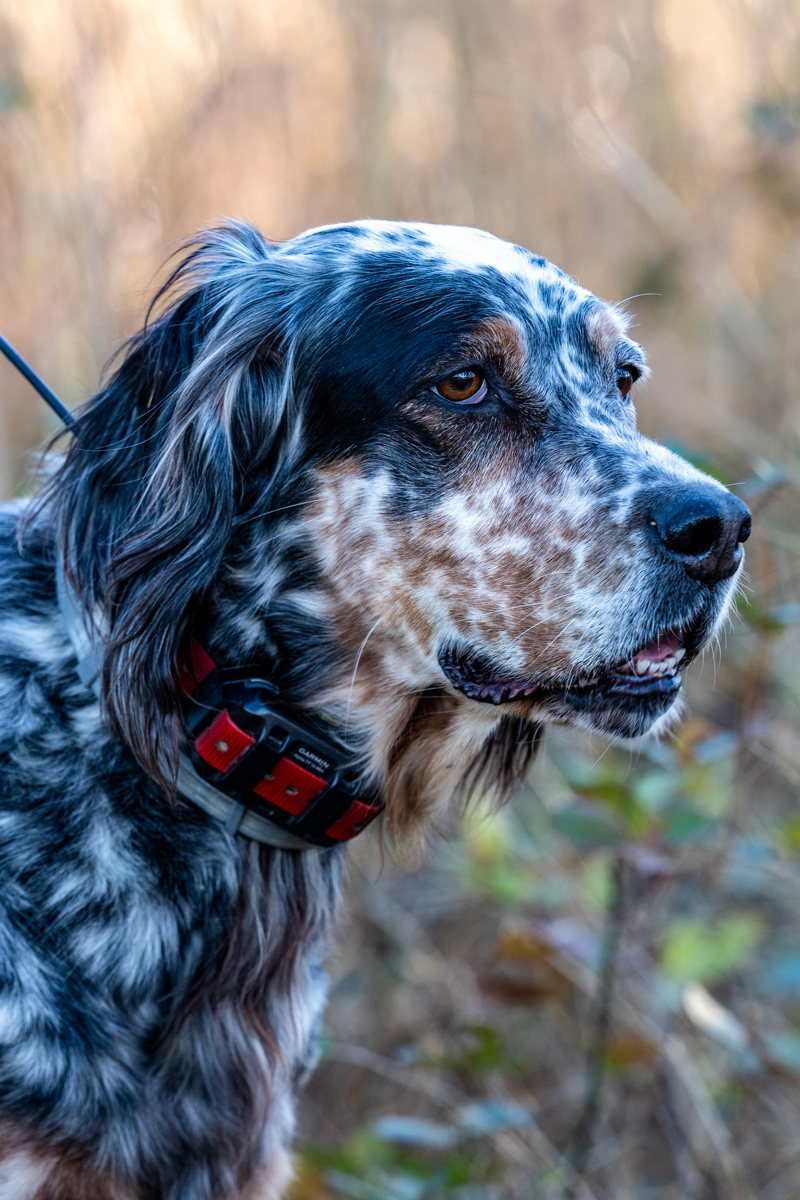
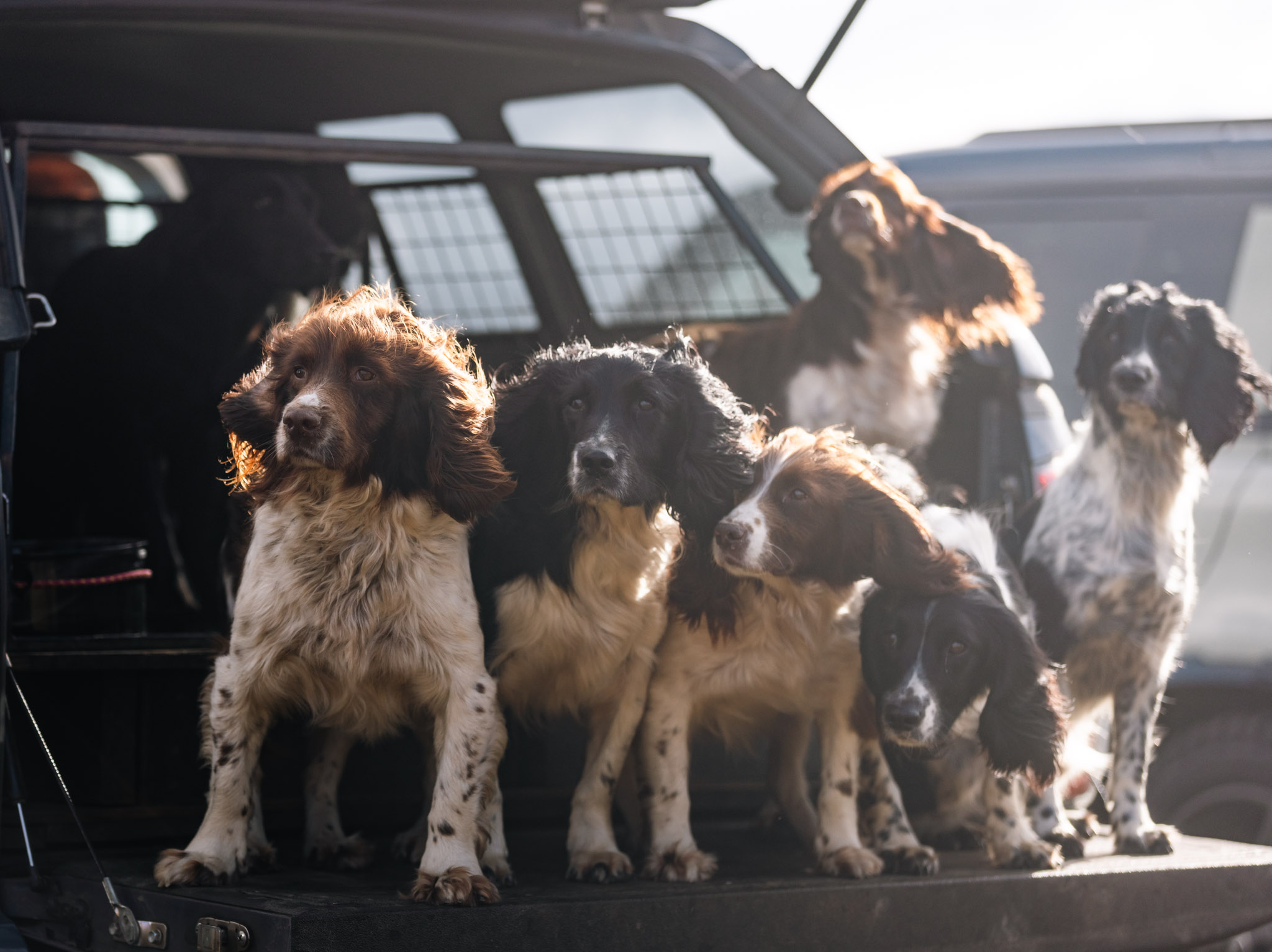
English springers and cockers once emerged from the same litters: larger dogs sprang game, while smaller ones hunted woodcock. Springers remain keen flushing dogs, seemingly convinced every briar patch contains either a pheasant or their life’s purpose.
American and English cockers became separate AKC breeds in 1946. The American brings an exuberant personality beneath that glamorous coat; the English packs formidable cover-busting ability into a compact frame. Both make you wonder whether the tail is wagging the dog.
The Basset Hound’s French ancestors supplied slower-moving hunting for people on foot. Those short legs and serious scenting ability were tools of the trade. The sorrowful expression merely suggests he has reviewed your shooting and would prefer another handler.
Popularity does shift. Between 2015 and 2025, English cockers climbed from 60th to 35th overall; dachshunds rose from 13th to fifth. Goldens held third, while Brittanys fell from 26th to 31st. A falling rank doesn’t necessarily imply fewer registrations—other breeds can simply gain ground faster.
None of which will persuade a committed dog owner. One good retrieve through icy water or one perfect point in October settles the argument for years. The next puppy will be the same breed. Unless he’s a breed hopper, in which case he’ll explain, at length, why this one finally makes sense.
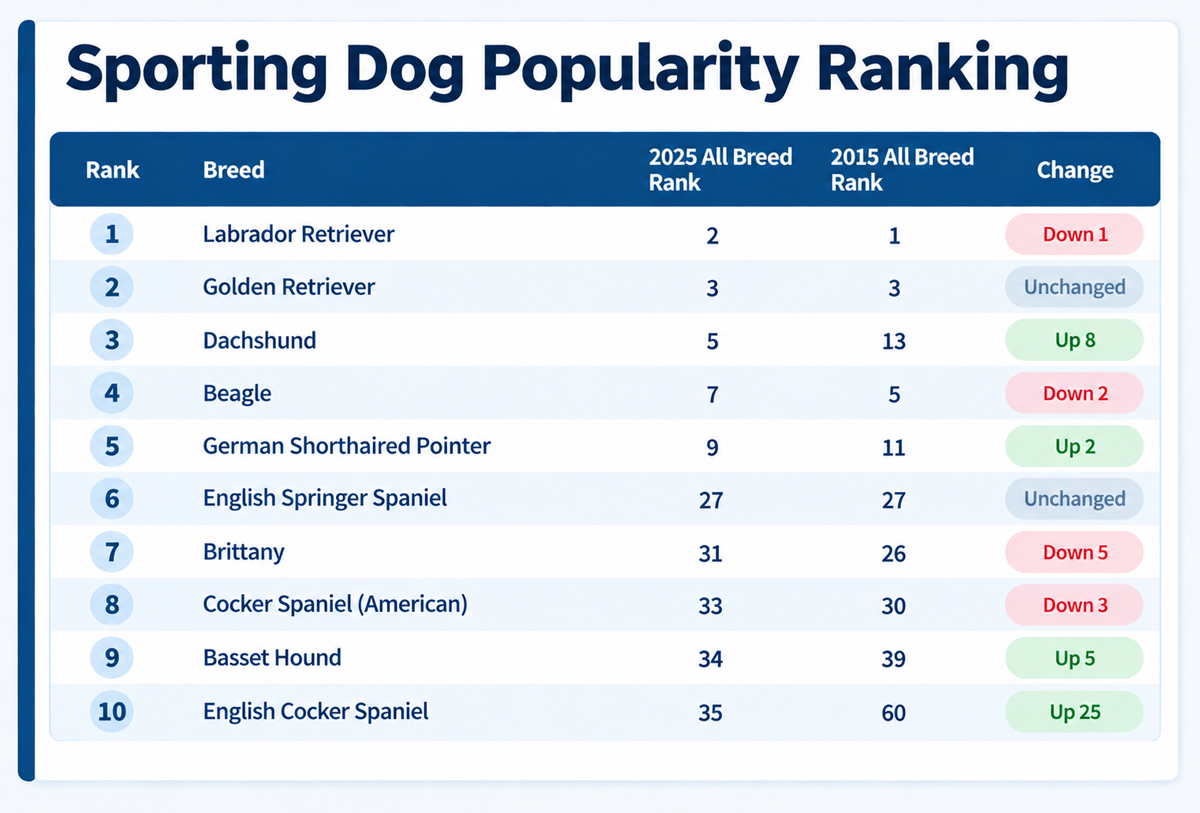
The Popularity Ranking
The ten highest-ranked breeds within AKC’s Sporting and Hound groups, ordered by their 2025 all-breed registration rank. Changes reflect movement since 2015, not changes in the number of working hunting dogs.