
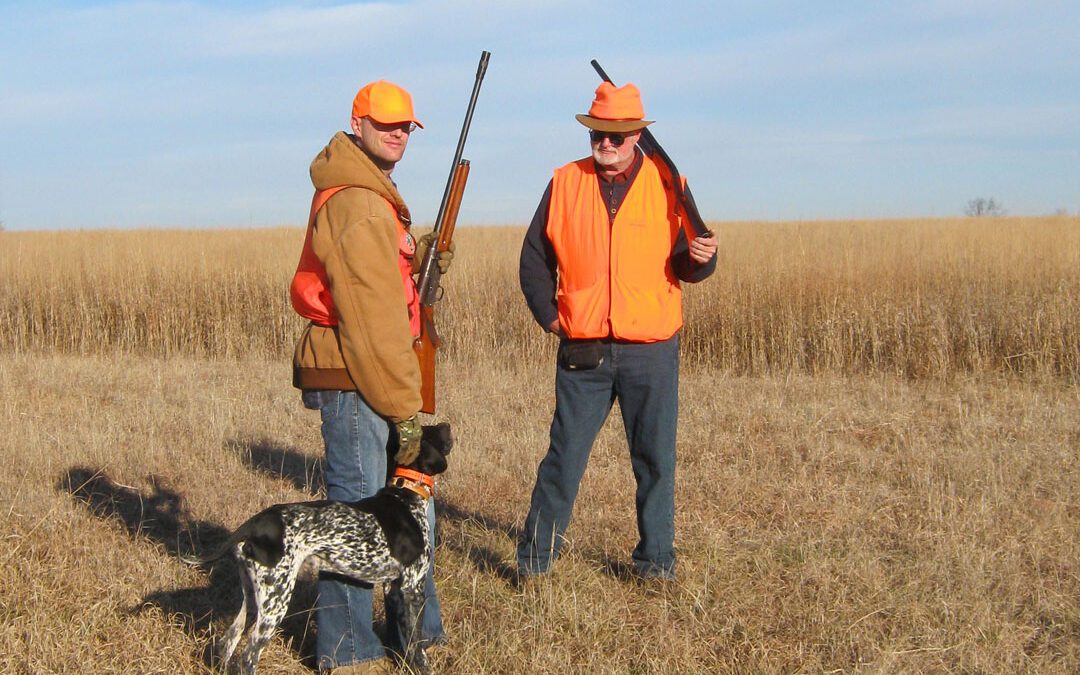
Over there, to the southeast and on low horizon, a 6:30, end-of-the-year sunrise emerged. This sunrise was one of those generated only by prescribed conditions, specific peculiarities not often available—late year, rain probable, skeletal trees framing muted pink, pale gray and scattered clouds rimmed by darker edges and the slightest hint of orange. The firmament appeared a triangle, that emerging orb a bullseye. Everything pointed to that sunrise. I stood transfixed, giving thanks for this moment of reverence. And I, for some reason not fully understood, thought of that boy.
He was a curious sort, that boy, with scant chances and prodigious dreams. In fact, dreaming seemed his downfall, the primary element that caused some to consider him less than promising. They, the ones who saw him as lacking potential, were not all ogres. Some were simply defeated, closed to possibilities. These latter were aptly described by Thoreau when he wrote about resignation and quiet desperation. But in their defense, times were different back then. I found myself vacillating somewhere in the middle of their disordered opinions.
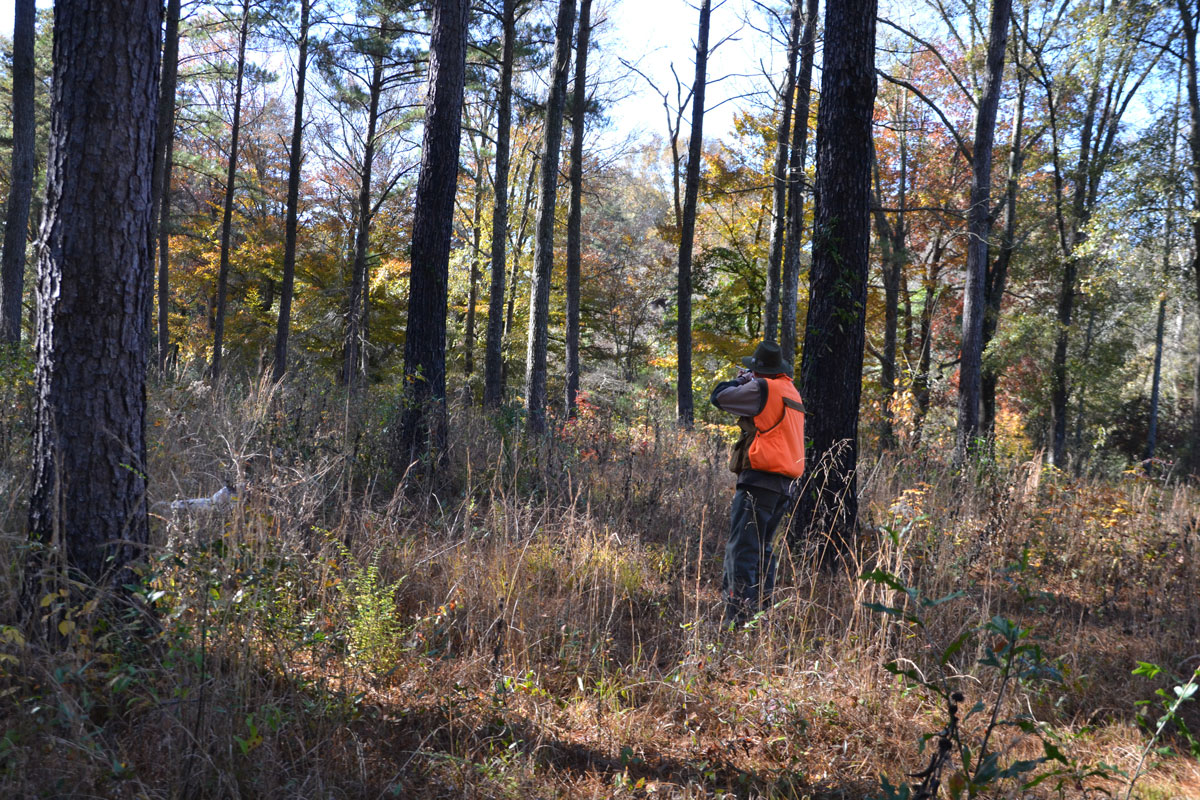
Kinton lines up on a quail that flushed from left and moved quartering right, the ideal shot for a lefty.
One propensity I admired about the boy was his reading. At every opportunity, constantly it seemed, he read. Seldom loquacious. But he could drop names with ease when determined necessary—Babcock and Buckingham, Jack O’Conner and Warren Page, even Hemingway on special occasions. The boy knew Bo Whoop. Still, I never interpreted any of that as a portrait of conceit. To the contrary, he spoke of those and others gently, with admiration.
“I wish I could write like that,” he’d often say. The boy read. I plowed an aging mule named Grady.
Grady and I were well acquainted, the time we spent paired extensive. I, at the beginning of our relationship, brushed up on my pedagogical skills and set about with tutorials. Looking back, I see the futility in such doings. Grady knew all he wanted to know and summarily disregarded my most well-intentioned toils. He would roll a suspicious eye, flutter disgust through moist nostrils and simply continue plodding. Blasphemous it was. Never effervescent, Grady.
But I learned from him. The most important dose of wisdom Grady imparted was that I should put my trust in God, not in the collected personalities that surrounded this obstinate equine and me and certainly not in an old gray mule and a Georgia Stock. I have never quite isolated and identified the system by which Grady taught, but he did. The lessons took.
And there were a few good times–for me anyway. I was never convinced Grady celebrated. The most prominent among those lighter moments was when I hitched a ride in the ground slide, precariously perched on its thick oak-board side rail. Axe and hammer and hoe and plow points rattled at my feet. A thick glass pop bottle—its mouth stuffed with a tattered rag; its body filled with once-used motor oil for nursing a heel bolt. These rode with me.
That ride, somewhat common during hoe and plow season, was accomplished in that timeframe separating pre-dawn country ham and biscuits from a side-harrow uprooting obstinate grasses in poor-dirt cotton. Grady performed minus complaint. But back to that boy.
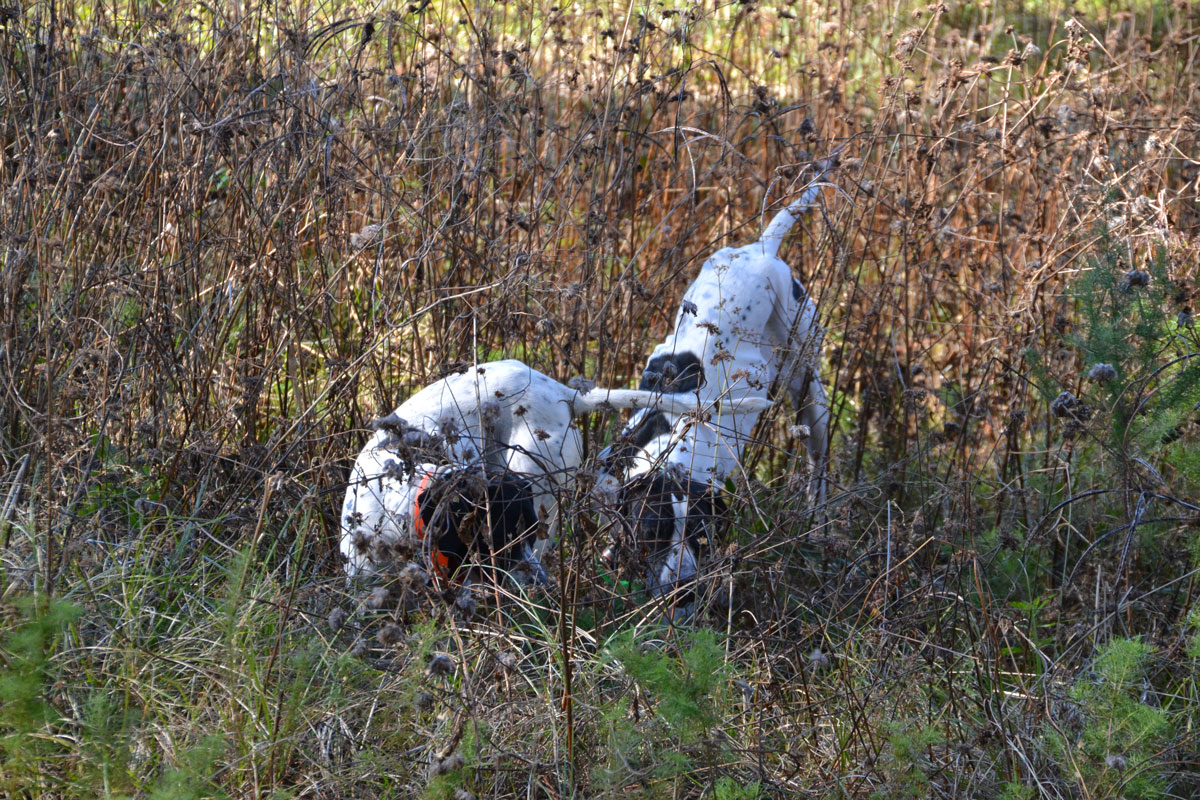
Static perfection. Dogs on point are a captivating sight.
Though his experience and tutelage would never suggest such a designation, he considered himself a quail hunter. He had a couple years back acquired a bird dog. Donated, not purchased. “Rip-rap” I think the skeptics labeled her. As best I could discern, that term applied to a pup resulting from an unintentional mixing of two breeds. Such blends occasionally showed up in those days when bird dogs were also yard dogs. “Hardheaded,” most said about her. “That boy can’t teach that dog nothin’.” Still, his efforts were gallant. And he shot a .410 single-barrel, the only shotgun he possessed early on. “Can’t hit nothin’ with that little ole thing.” Discounting was the norm among those who refused to see.
I recall one day standing with a friend at the window of his grandfather’s house and looking out over an adjacent field. Several naysayers, all older and more experienced than my friend and I, were gathered around a wood stove. Biting chill rode disagreeable gusts that winter day.
“There he goes again,” one noted. “Won’t never amount to nothin’.”
My friend and I took note and hoped that boy out there in the distance would eventually amount to something but concluded, based on those scholarly pronouncements of our elders, that he likely would not. Still, we hoped. Silently.
The rip-rap skidded to a stop, tail erect, body stretched as tightly as a new fence. Then a covey rise. That boy mimicked the grace and exactness of a Rembrandt. Fluid detail. The .410 proffered a diminutive pop. Feathers scudded on a north wind.
“Well, I’ll declare,” one was heard to say. He followed, “Is that calf uh yourn fattenin’ up some?”
The boy was not given his earned acknowledgement.
But I noticed. Admired even. The boy, this juvenile phantom of reverence and resolve, exhibiting a peculiar demonstration of class, seemed to float through the frigid mist of morning with an execution that more aptly spoke of opulence than of austerity. As I watched, I imagined his musings flitting about and filling his head with thoughts of fine bird dogs and exquisite shotguns and philanthropy. He was a generous sort. Would give you his Christmas toy if asked.
I imagined him imagining unfamiliar environs and yet-unlived experiences. He was a dreamer, after all. And though he was a sprout without baubles from this very soil, an offspring of a strong but spartan family just down the road, he was never afforded proper acceptance. Despite the fact that he and that family grubbed through dire straits as did those clustered around the wood stove, he was viewed with skepticism. This boy was simply too different.
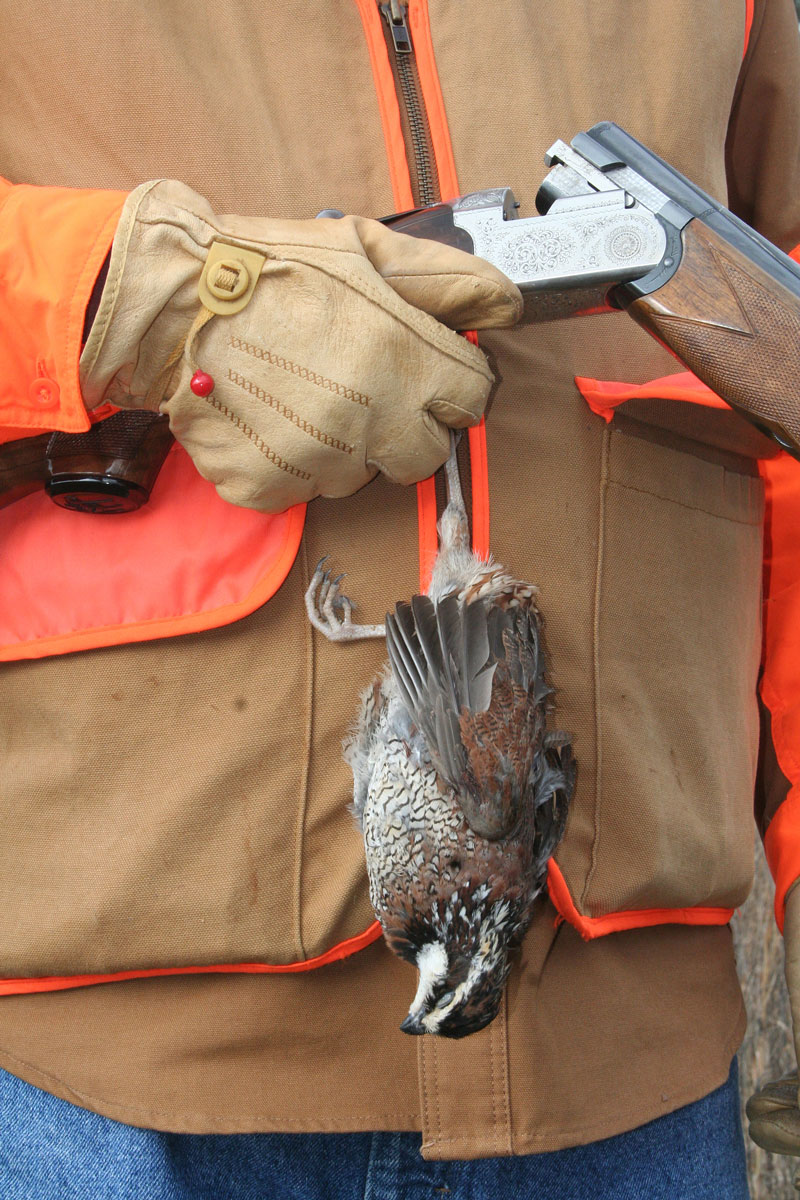
I hunted with him from time to time–squirrels, rabbits, the occasional wood duck in quiet sloughs along a nearby creek. And of course, quail. The boy was determined to become a master of this alluring magic, certitude ever present. And he was a good hunter, even in those tender years of youth. He had been trained well in the elements of safety and could be trusted to conduct himself properly. Additionally, he was never selfish, preferring his companion get a shot rather than he. Single-barrels being the norm, the boy was most likely to hesitate until he heard the rumble of a comrade’s 12 or 20 before his own joined the choir. I much enjoyed his company. Apparently, he and I shared parallel sensibilities.
If an often-dysfunctional memory serves me adequately, hunts then were less regimented than now. There was seldom a venture launched during our eager years with a specific intent of anything in particular. We just went hunting. When game encountered fell within the parameters of legality, we detoured from specifics and pursued whatever presented. There were no deer in our isolated world at that time. And transportation, as well as income, precluded travel to anywhere we couldn’t access via shank’s mare.
I recall a perfectly splendid morning when the boy and I left my house and began walking toward the creek. Lady, that rip-rap and now with enough age to host an arthritic hip, followed dutifully. Sunrise focused its rays on frosted grasses and leaves, and that mysterious puff of winter breath drifted upward from chilled nostrils and open mouths as we navigated tangles and ditch banks and fanaticized of game aplenty bursting from woods and fields surrounding us. Later on, down along the creek and its small sloughs, there might be wood ducks. I had left my single 20-gauge in the corner and borrowed my dad’s 870. Wood ducks were serious doings for two countrified lads.
Lady became static, the tip of her tail, now boasting a red spot generated by her enthusiasm in a briar patch, the only movement offered. She held in convinced dedication. One element about Lady deserves some development here before this story progresses. She was one of those rare bird dogs who lacked that obnoxious mindset of pointing only birds. Lady was more gifted than that. Presently, a fat cottontail bounded from its form at Lady’s nose. My shot from the 870 missed, but the boy played clean-up in fine fashion. Our hunt was off to a grand beginning.
Farther down, near the creek and denuded oaks that lined its serpentine banks, a small slough, formed by the creek’s meanderings, bowed out and away from that creek and touched a shaggy pasture that had seen little use in recent years. Lady approached with caution and became birdy. Three woodies squealed and vaulted—two drakes and a hen. My dad’s pump proved efficacious, even in the hands of one not fully familiar with it. A drake dropped. This one was followed by another, the collection of the boy’s .410. Those were the days of lead shot.
Highly pleased with our collection, the boy and I concluded it was time to head home, but we took another route out in the event that something else not disturbed by our initial approach might lie in wait. Lady hit her stride in a patch of broomsedge and locked in perfection. A covey rise. Two quail fell from the flurry, one to each of us. A grand morning, frost now missing from all but the most shadowed and quiet spots, was behind us. A morning that reigns supreme in the desires and sentiments of this old hunter. I am sure the boy feels likewise.
And there was that day, admittedly now seen through foggy recall, I looked up from some farm chore or another and saw the boy coming, riding a ragged bicycle and holding a shotgun across the handlebars. He was grinning. “A double-barrel,” he announced with great pride and pleasure as he handed it to me. “It is the epitome.” The boy liked big words. He outlined his tactic for acquiring it and spoke in elevated pronouncements and high hopes regarding how he would employ this new acquisition.
He had, according to him, made the money for this purchase by scrapping cotton. Now for those minus the knowledge of scrapping cotton, it was the phrase we used for picking cotton—by hand during our tenure as farmers—that had already received its first, most productive and timely gathering. After this first, some residual was left; perhaps even some late bolls had opened. Without scrapping, this scrappy cotton would remain in the fields and go to waste. Whether scrapping was a profitable enterprise was often debated, but the boy—and others of his ilk—were pleased to have the income, whatever it might be. The boy had worked quietly and diligently in this pedestrian pursuit for three years. He bought the shotgun. A Stevens 20-gauge, modified and full. Two triggers. Practically beside himself with anticipation, he was. Tattered overalls were of no consequence.
I held the gun and liked it thoroughly. I there elected to get an identical unit whenever possible. And the boy came to treasure his even more after using it the following four years of our fraternity than he did that day he rode up on the bike and allowed me to give the double a once-over.
Those were idyllic times. The boy and me—each of us eventually with Stevens double 20-gauges, gamboling about the countryside with nary a care. Hunting, laughing, planning. But that planning, as we soon came to see, was fraught with alarm. Time was short before we recognized that those plans would impede the routes we customarily claimed in a world that was growing smaller each day. He, then, went his way; I went my way. Lady was buried beside a sweet gum back in the pasture.
And what became of the boy? I still wonder about the specifics even after these many years. But I didn’t completely lose track of him; we stayed in touch, to lesser degrees each year but in touch. He would pass through the area on occasion, through my memory far more regularly. I would get a call from him, allowing that he was headed for British Columbia or had just returned from Africa or was considering an excursion to Kodiak Island. “Even if I decide to pass on the shot, there’s a big bear up there I want to see,” he once told me.
The boy sent me a copy of his first book. I often saw his byline in some publication here and there. Remaining the quiet sort and revealing the depth and roots of his upbringing, he never congratulated himself. He simply went about his business of what I conclude was at his very core back in those days of scrapping cotton and shooting a Stevens double and trailing a skinny rip-rap and being a friend, misunderstood by the majority back then. Living his dream, I surmised.
During our scarce visits and gradually diminishing phone calls, I would listen, enthralled by tales of his adventures. He was a schooled storyteller. But in each encounter, he would conclude with a rich observation: “I had rather be in that broomsedge field down by the creek than anywhere in the world. It is home.” That gave evidence that this was the same boy from my youth.
But those arenas of intrigue we hunted in were no longer available. The creek had years earlier become a channeled affair, now nothing more than a steep-banked ditch. Those sloughs were conquered, sod misplaced by creek adjustments filling them. That broomsedge field where the boy took a single from the covey with his .410 and I with my dad’s 870 was transformed into a handsome but sterile pine plantation. I was aware of all this but could never bring myself to tell the boy and dampen his desire to once again visit.
And now, a major heart issue and disturbing diagnosis of another malady behind me, here I am–60 years from the boy and two hours from that reverent sunrise earlier mentioned, standing beside a Brittany frozen in promise. I am dressed for proper presentation: lace-up leathers broken in to perfection, canvas briar chaps, waxed-cotton jacket. My hat, a stylish affair, is festooned with a wide blaze-orange band encircling its crown. All far outclassing the boy’s faded denim and patched rubber boots. I tote a lithe and nimble .410 O/U, partly for sentiment, partly because of its effective but gentle disposition.
Then a covey rise. The .410 proffered a diminutive pop. Feathers scudded on a north wind. The Brittany made a practiced and perfected pick up. That boy would have provided his smile of silent approval and appreciation were he here with me. I remember the boy.