
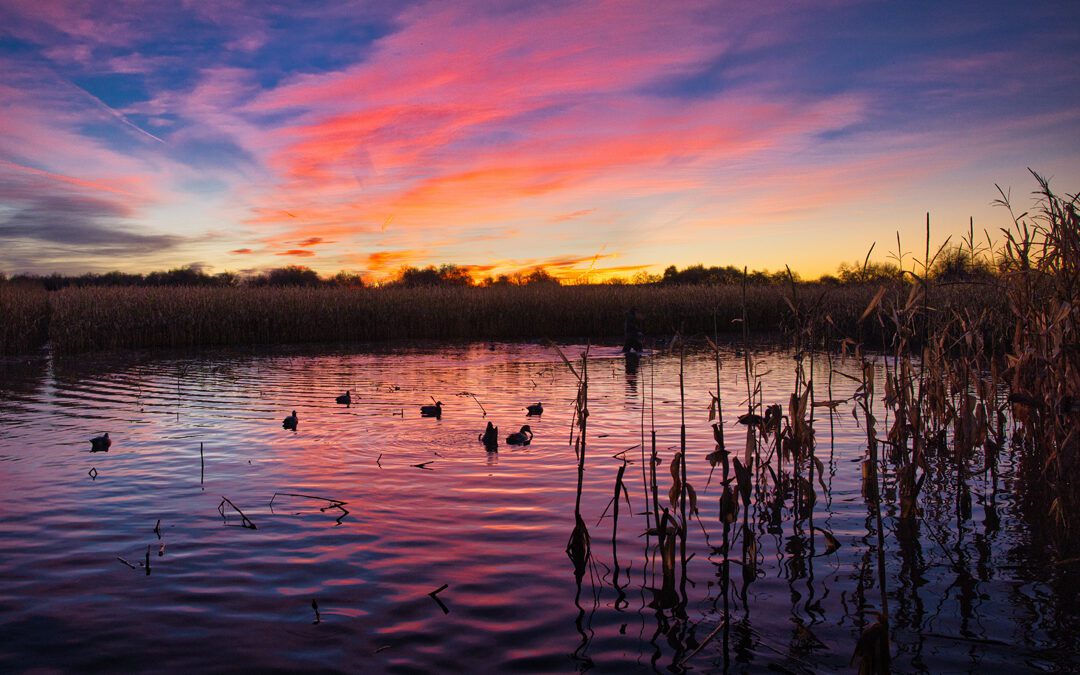
A mallard dropping through flooded timber is a pretty good argument for getting out of bed at four in the morning. So is a Labrador trembling beside you, convinced that you are the only thing standing between her and the greatest day of her life. In those moments, I’m rarely thinking about conservation policy or fundraising dinners. But somebody had to think about them. Somebody I’ll never meet helped keep water on a landscape a thousand miles away so that duck could find its way to mine.
That’s why I support Ducks Unlimited. Whatever else gets said about hunters, this organization has dedicated generations to making sure there’s still some wildness left for everybody.
DU took flight in 1937, when the Dirty Thirties were doing their best to convince Americans that the good Lord had reconsidered the whole arrangement. The prairie was blowing away. Wetlands were drying up. Families were trying to hang on to farms, jobs, and whatever dignity the Depression hadn’t already repossessed.
Against that backdrop, a group of sportsmen decided they ought to do something about ducks. Imagine making that pitch. The banker wants your farm, the wind has taken your topsoil, and a fellow would like a contribution for a marsh in Canada.
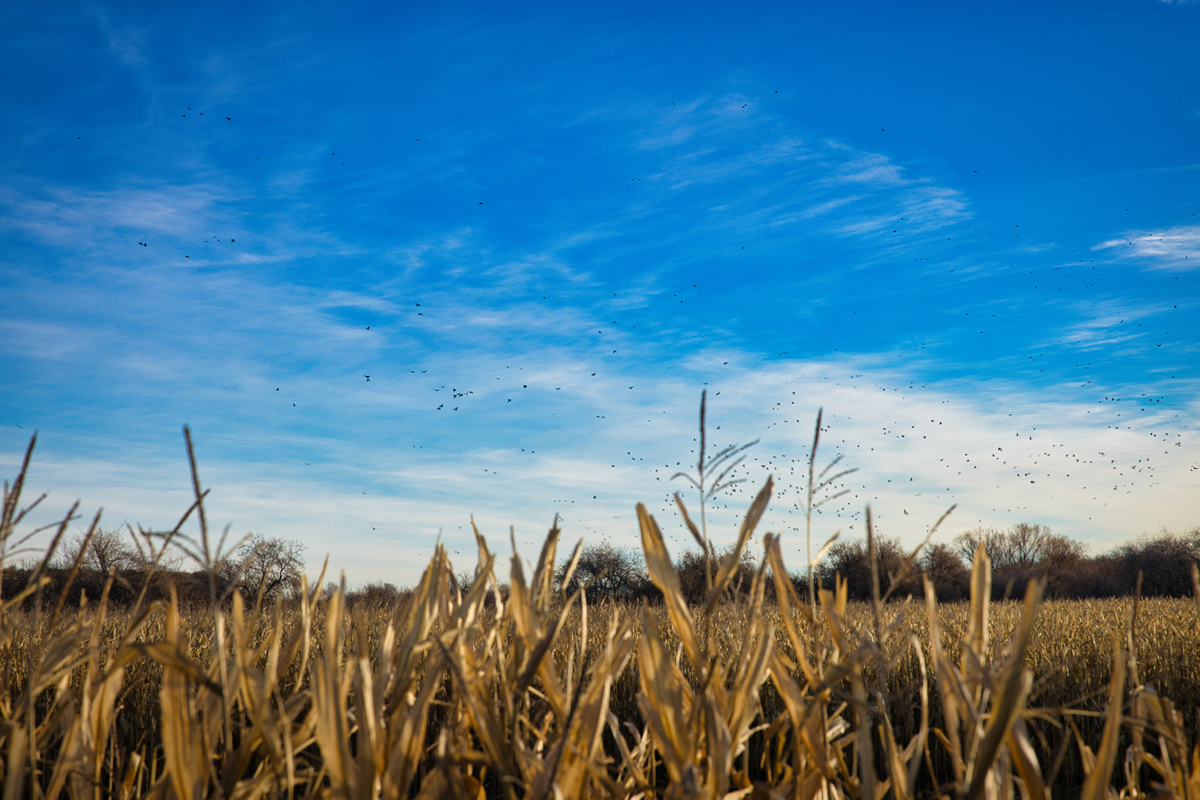
Fortunately, enough people understood what was at stake. These were citizens who considered the future their responsibility, including the parts they wouldn’t live to see. They didn’t wait for Washington to appoint a commission to study whether another commission might be warranted. They organized, passed the hat, and put money into habitat. They wanted their children to know the sound of wings over a marsh. That was reason enough to begin.
To my mind, DU is the granddaddy of the modern critter groups, the organizations that have become a pillar of U.S. conservation. Its example gave people who cared about other species something to build on: Get the faithful together, hire people who understand the animal and its habitat, then give supporters something more useful than a newsletter describing how concerned everyone is. Give them a place where wildlife can live.
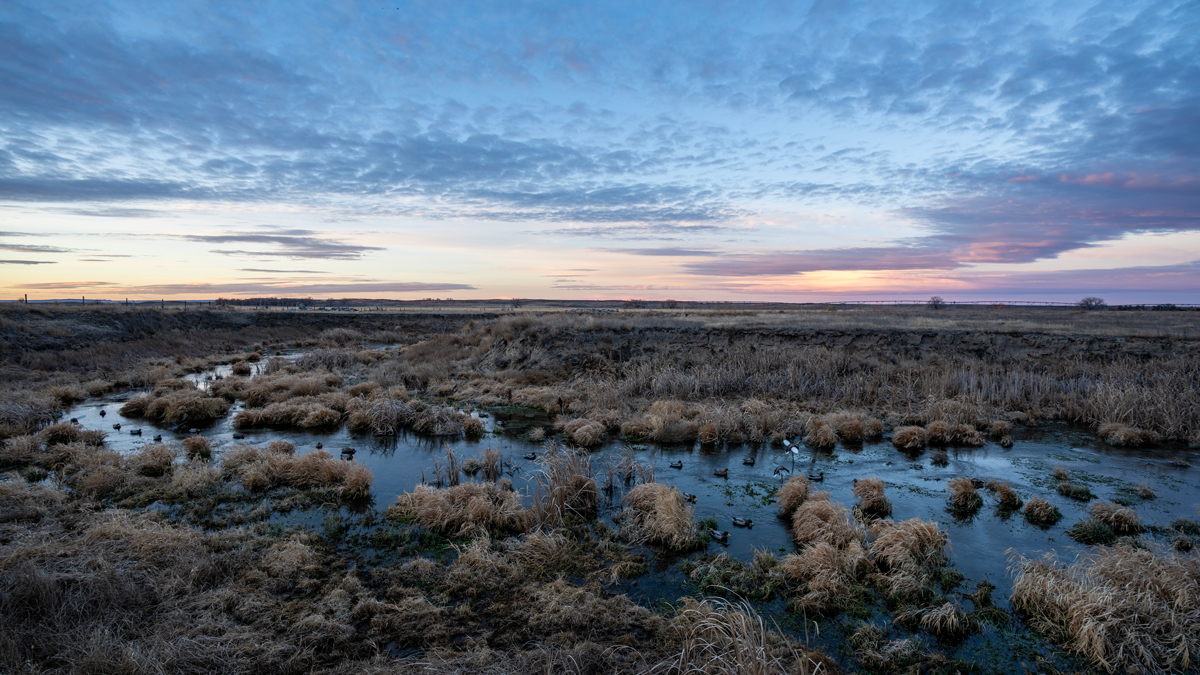
One of DU’s great accomplishments was helping Americans reconsider a word: swamp. For much of our history, a swamp was something you drained so the property could finally amount to something. The people writing those appraisals apparently hadn’t consulted a duck—or a frog, a fish, a heron, or much else living there. DU helped turn wet ground from a perceived liability into something communities and governments could recognize as essential. Wetlands became worth protecting, along with the uplands surrounding them.
The ducks were the draw, of course. Nobody needs to pretend those early sportsmen were indifferent to a good shoot. But the marsh they saved didn’t require its inhabitants to possess webbed feet or a hunting season. Hundreds of other species benefited. So did people downstream who appreciated cleaner water and somewhere for floodwaters to go. Many Americans have received a return on a duck hunter’s investment without ever knowing who wrote the check.
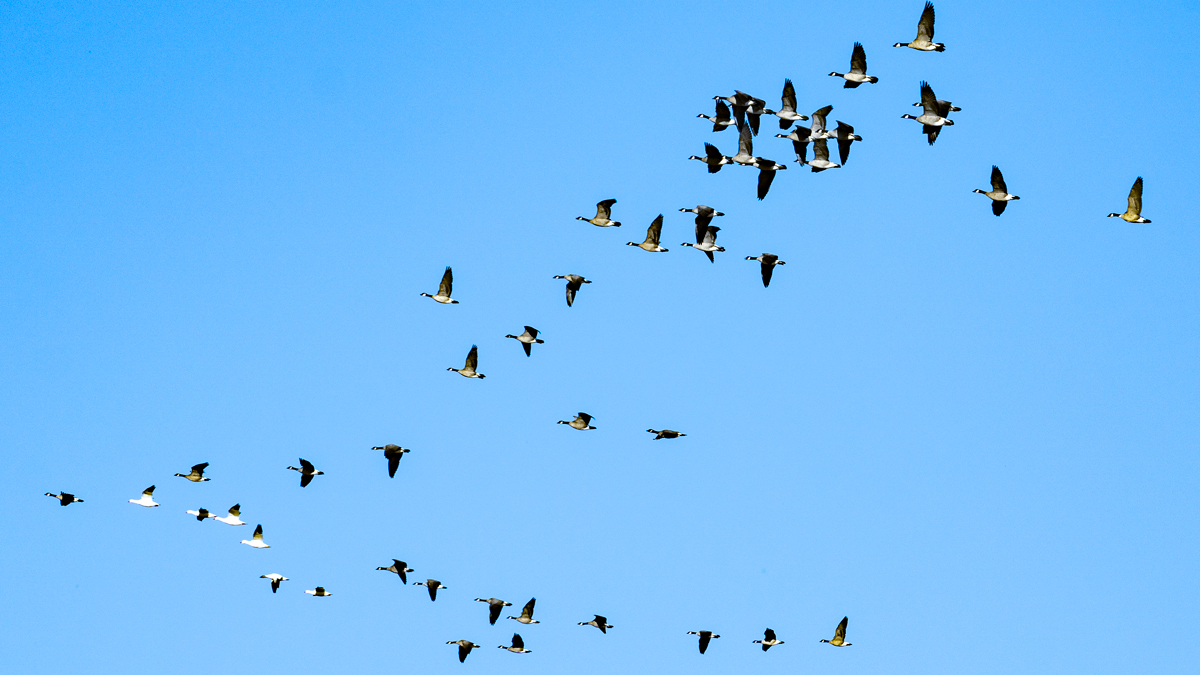
DU also understood that a continental bird required a continental approach. A pintail hatched in Canada might pass through several states before wintering in Mexico, entirely unimpressed by the border arrangements below. Guarding one piece of that journey while losing the others wouldn’t work. DU and its sister organizations brought landowners, farmers, governments, and donors into an effort big enough to follow the birds. Along the way, they helped form public policy and persuaded government to partner in something private citizens had already shown was worth doing.
Then there are the people. Put enough duck hunters in a banquet hall, and you’ll find farmers, welders, bankers, outfitters and business owners bidding more than they intended on something their wives assured they didn’t need. Somewhere between the raffle and the auction, those people become a conservation constituency. One knows the senator. Another owns the ground. A third can get the right person on the telephone before lunch. Threaten a marsh they’ve spent thirty years protecting and watch how quickly that network comes alive. Hell hath no fury like crossing Mamma Duck.
I wonder what DU’s founders would make of all this. They began with dry potholes and an uncertain future. What followed helped change conservation across a continent. Yet a successful past won’t keep the next marsh from being drained. There is always another piece of ground to save, another landowner to reach, another generation that needs a reason to care.
DU has never looked back. They have been locked steadfast on the horizon and the challenges ahead. Their success has always been driven by a vision of a future they must help shape—because no one else can do what they can.