
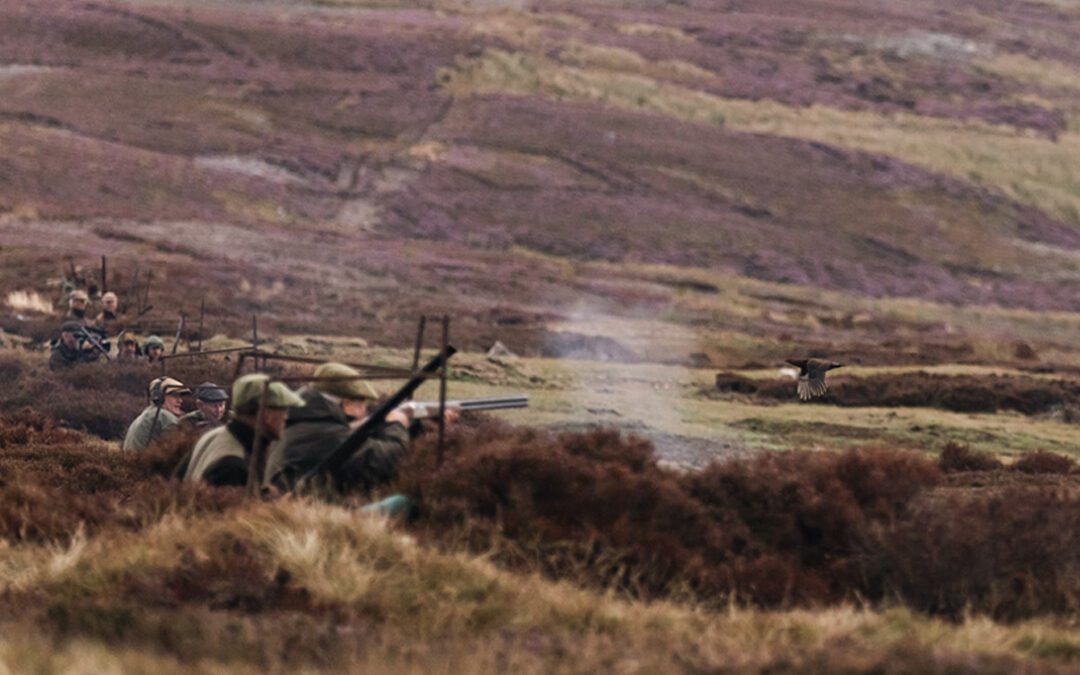
The incomparable electricity of driven grouse.
Some sporting destinations allow success to be manufactured to some degree. Pheasants and red-legged partridges can be reared and released. Fish can be stocked. Habitat can be improved, predators controlled, and considerable money spent to stack the odds in favor of a good day. Red grouse are different. On the great heather moors of northern England, Mother Nature remains the final booking agent, and she has a well-earned reputation for cancelling reservations.
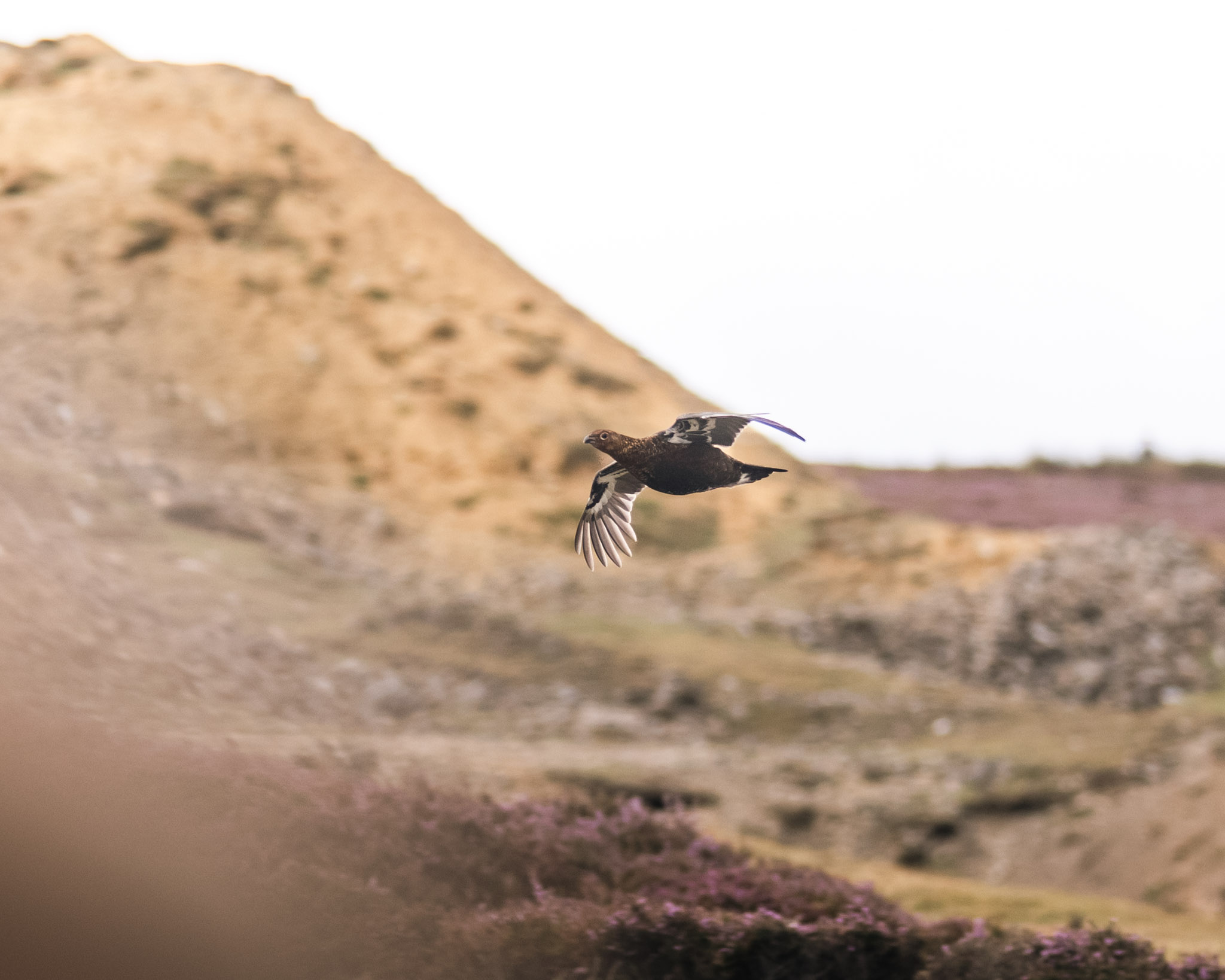
That uncertainty is part of what makes driven grouse shooting so extraordinary. Grouse are entirely wild birds. No hatchery waits in reserve, no truck arrives with replacement inventory. A successful season requires a remarkable alignment of weather, habitat and biology: enough moisture to sustain the heather, but not so much cold rain that nesting fails; plentiful insects when chicks hatch; no catastrophic hailstorm at precisely the wrong moment; manageable disease and predation; and, lately, a reprieve from one of the moor’s smallest but most destructive residents, the heather beetle.
The past few seasons have been especially cruel. Cold, wet weather devastated nesting success in 2024, while subsequent outbreaks of heather beetle damaged immense areas of habitat. The beetle’s larvae feed on heather leaves and, during major outbreaks, can strip hundreds of hectares, leaving grouse without the food and cover they depend on. This year, the North York Moors were hit particularly hard by beetle damage and drought, with one sporting agency reporting that only a handful of shooting days were likely and that more than 30 days had already been cancelled across its northern English program.
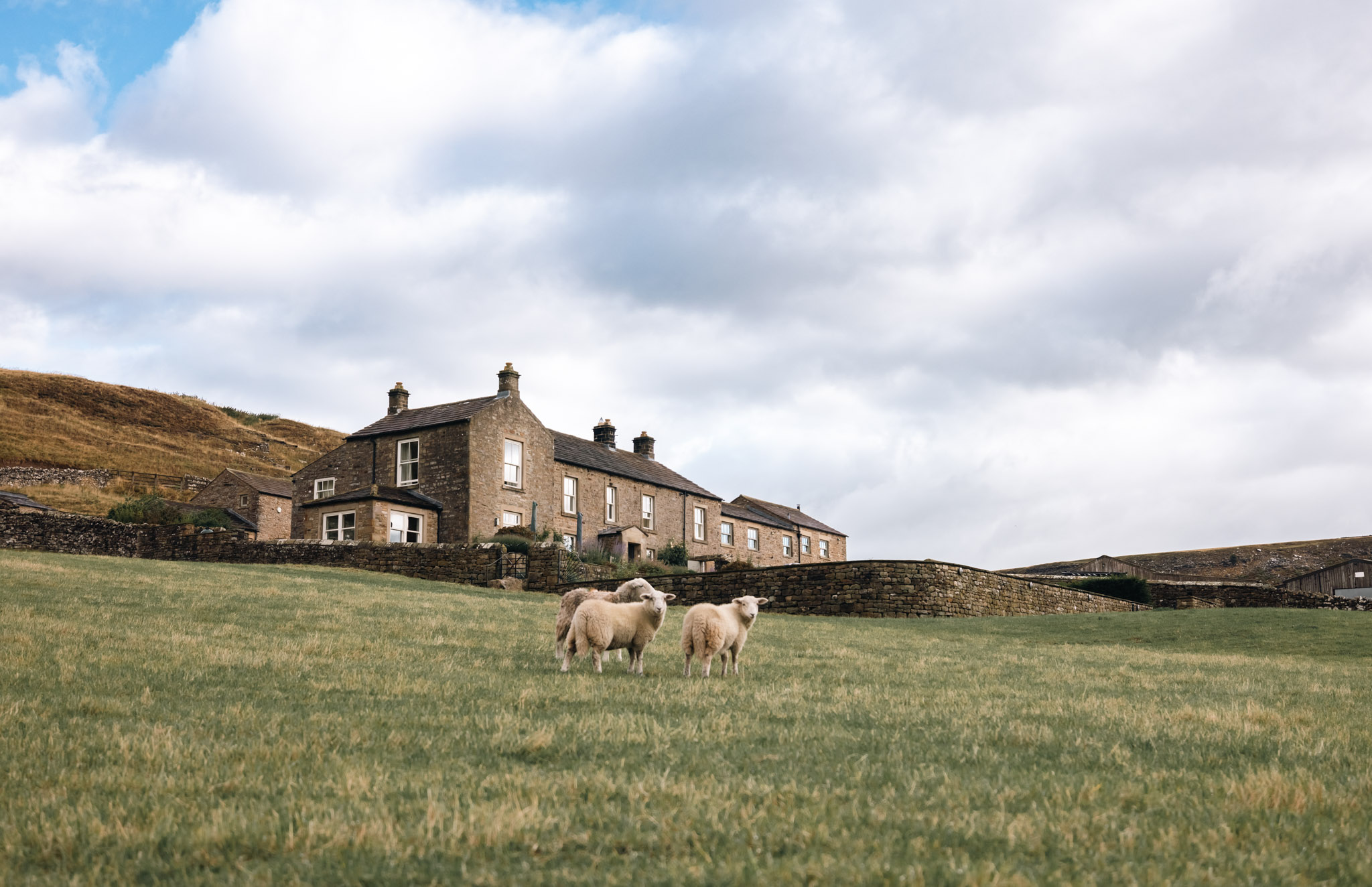
So when word came that our two scheduled days in Yorkshire with Criddle Fieldsports had survived the grouse counts and would go forward, it came across as less like confirmation of a shooting trip than notification that we had won something.
I had shot grouse with Criddle seven years earlier in one of those almost mythical moments when abundance and glorious weather arrived simultaneously.
Birds poured across the Yorkshire heather, our bags were bountiful, and smiles worked their way up and down the line of Guns. I remember leaving determined that someday I would bring television cameras back, because driven grouse shooting is one of those experiences that cannot adequately be explained by statistics or photographs. You have to see those birds hurtling over the moor, often only feet above the contours, changing direction almost instantly and forcing the shooter to abandon calculation and rely upon instinct.
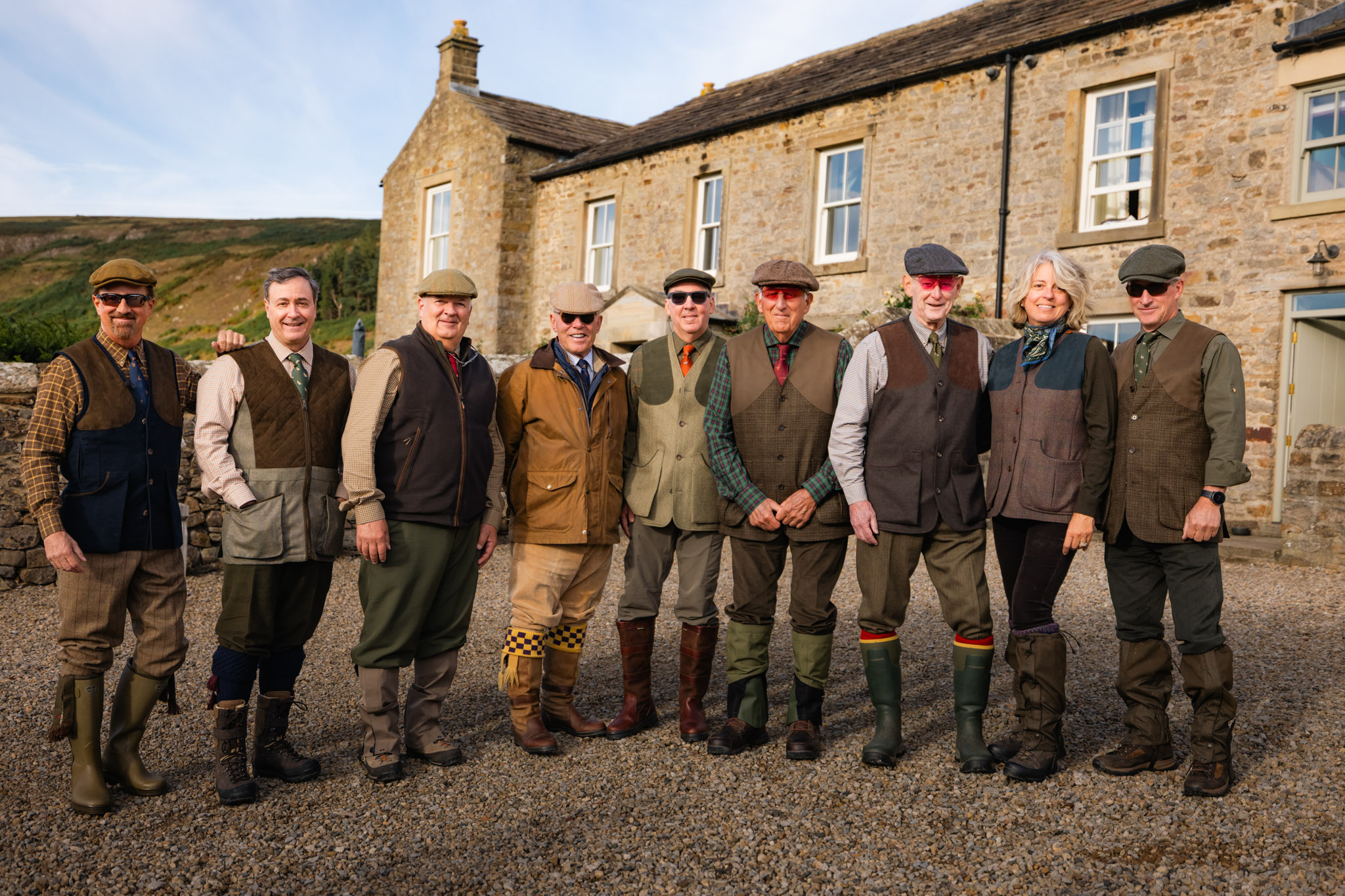
This year I returned with a group of friends from South Carolina. All were experienced, driven-game shooters. None had previously shot grouse.
That distinction matters.
I’ve shot driven birds across continental Europe, Britain and even Africa, and wonderful sport exists in all those places. But nothing flies quite like a grouse. They use the terrain the way a fighter pilot uses ground cover, following folds in the land and appearing suddenly over heather or stone before disappearing just as quickly. The shot is frequently low, very fast and almost subconscious. Think too long, and you’ve already missed. On a strong drive, the sound of wings, gunfire and shouted warnings rolls across the moor while loaders work behind the Guns and beaters advance out there beyond the horizon. It is controlled chaos conducted according to traditions generations old.
The modern driven grouse shoot took shape in the 19th century, when the arrival of the breech-loading double-barrel shotgun transformed what had largely been walked-up shooting. Guns could suddenly reload quickly enough to stand in butts while grouse were driven toward them, giving birth to the sporting form recognizable today.
Scotland’s own government review of grouse management traces the transition to the 1850s, with driven shooting thriving through the late Victorian and Edwardian periods. The great shooting parties of that era helped turn August 12—the opening of the red grouse season—into the “Glorious Twelfth,” one of Britain’s informal holidays.
But to describe driven grouse shooting only as sport is to miss most of the story.
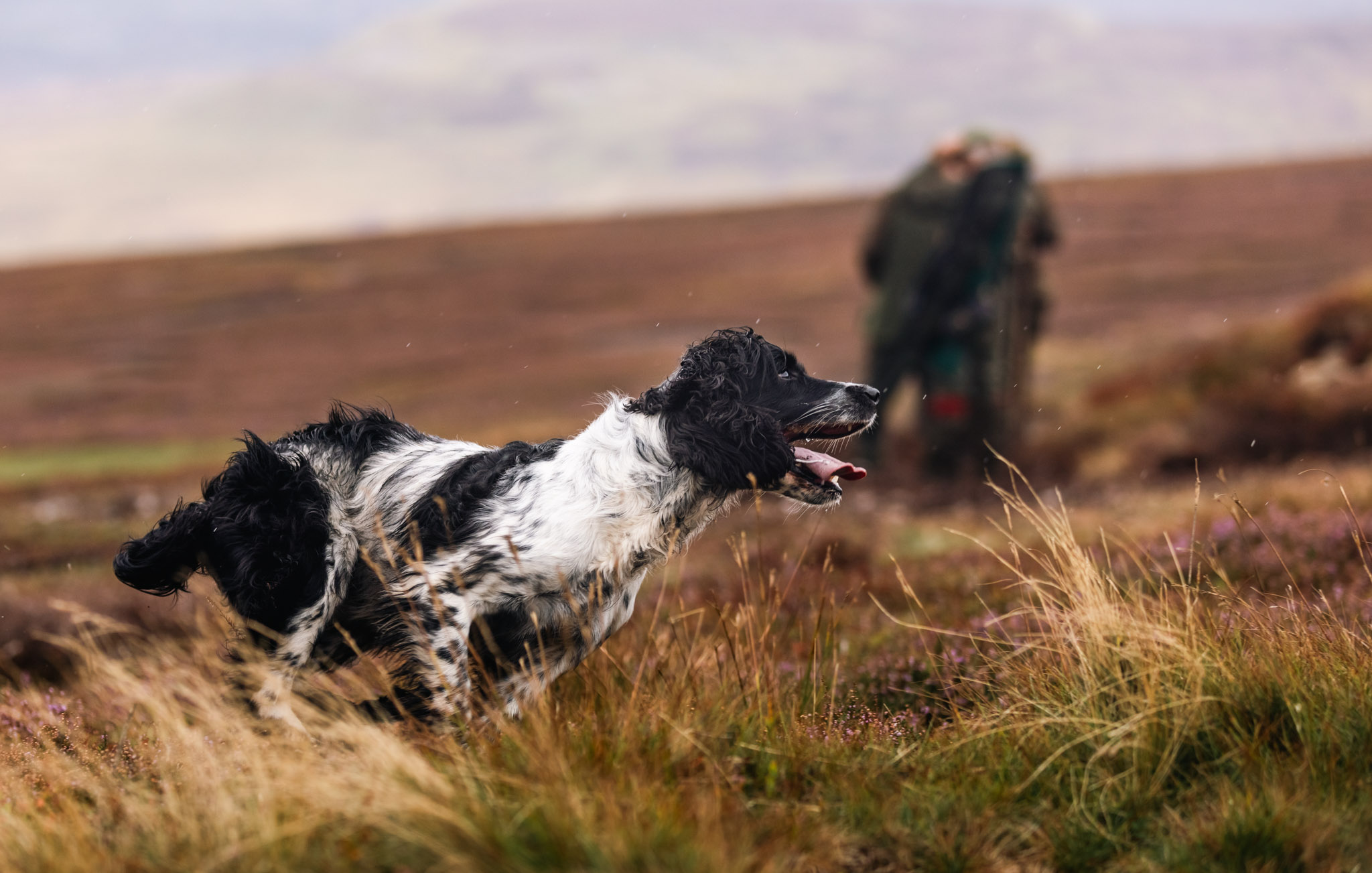
These moors represent an extraordinarily rare ecosystem. The Game & Wildlife Conservation Trust estimates that Britain holds roughly 75 percent of the world’s remaining heather moorland. Managed grouse moors provide habitat not simply for grouse but for curlew, golden plover, lapwing, merlin, black grouse and other upland wildlife. Research cited by GWCT found that lapwing, golden plover and curlew fledged more than three times as many young where predator management occurred; another project at Langholm recorded increases in curlew, golden plover and snipe after grouse-moor management was restored.
That is why I wanted cameras there.
I have always believed that the most interesting hunting stories are ultimately not about pulling a trigger. They are about why wildlife exists in abundance somewhere and who pays to make that possible. Across the world I have repeatedly seen the same basic equation. Elephants in Africa, polar bears in Nunavut, ducks in Argentina or grouse in Yorkshire become economically valuable renewable wildlife resources. Hunters supply money that pays local people, finances habitat work and gives landowners a powerful reason to maintain wildlife rather than convert its habitat to something else.
Yorkshire’s moors are another version of that conservation economy.
According to the Moorland Association, English grouse-moor management accounts for more than 1,500 full-time-equivalent jobs, including roughly 700 directly connected with management and another 820 in supporting industries, while owners and sporting tenants of its member moors spend £52.5 million annually on land management. A major grouse day can also require scores of beaters, flankers, loaders, pickers-up and other workers. In remote communities where opportunities are not exactly stacked six deep on every street corner, those jobs matter.
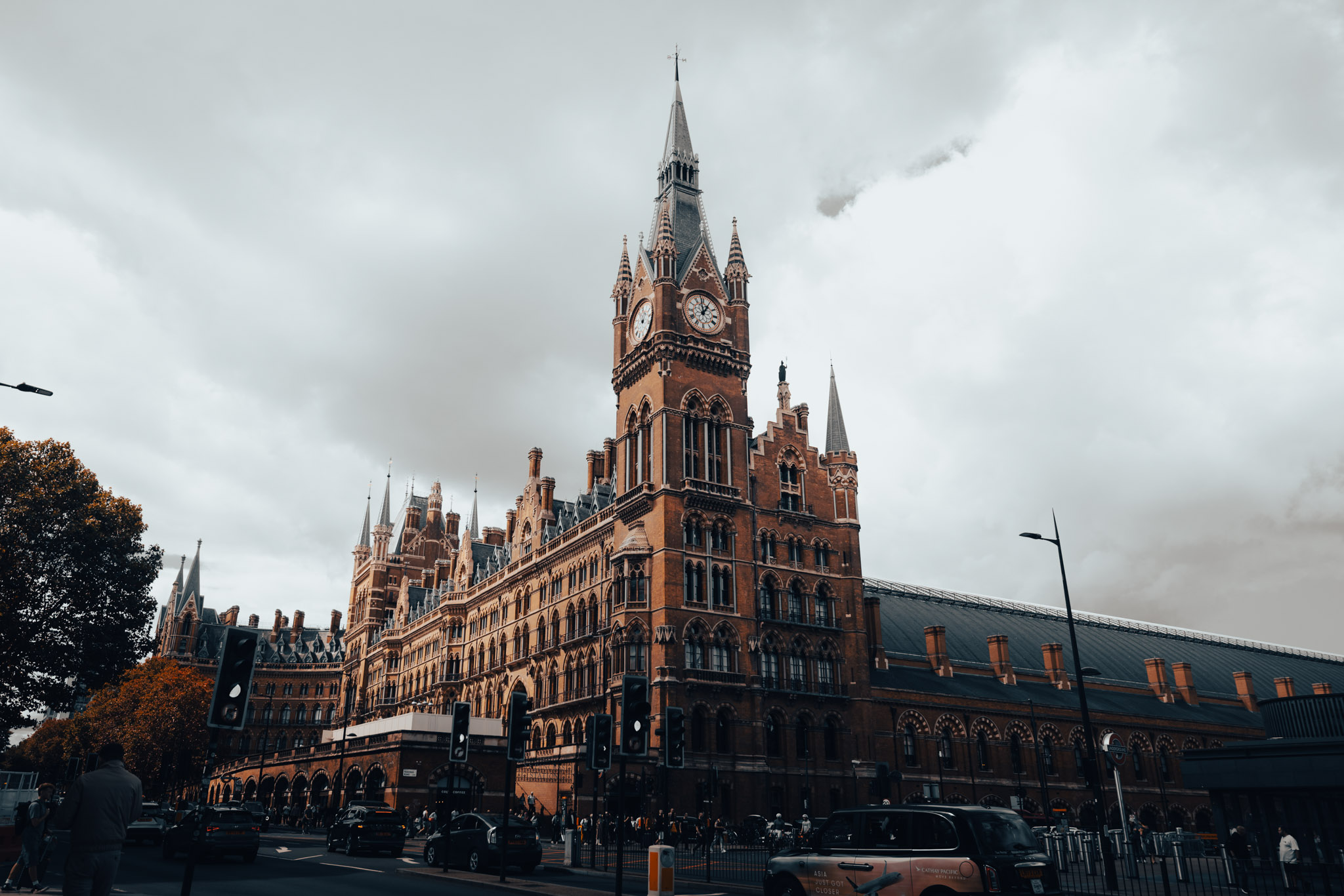
Zoom out and Britain’s shooting economy becomes enormous. The 2024 Value of Shooting study estimated shooting contributes £3.3 billion in gross value added annually to the UK economy, generates £9.3 billion in wider economic activity and supports the equivalent of roughly 67,000 full-time jobs. Some 620,000 people participate in shooting-related activities, shooters spend £4.4 billion annually through UK supply chains, and shooting-linked conservation occurs across 7.6 million hectares.
American sportsmen add an additional layer to that economy that seldom appears in arguments about grouse shooting. We don’t parachute into a moor for three hours and vanish. Overseas shooting parties stay in hotels, hire cars and drivers, eat in restaurants, visit pubs, purchase clothing and shooting equipment and frequently spend time in London or Edinburgh before and afterward. A grouse trip can put money into a phenomenal number of pockets before the first bird ever crosses a butt.
Then there are the birds themselves. Game enters the food chain through dealers, restaurants and markets. I’ve always liked that part of British shooting culture because it provides such a clean prompt of something modern society too often sanitizes out of sight: game is food. The animal has economic value in life, sporting value when sustainably harvested and nutritional value afterward.
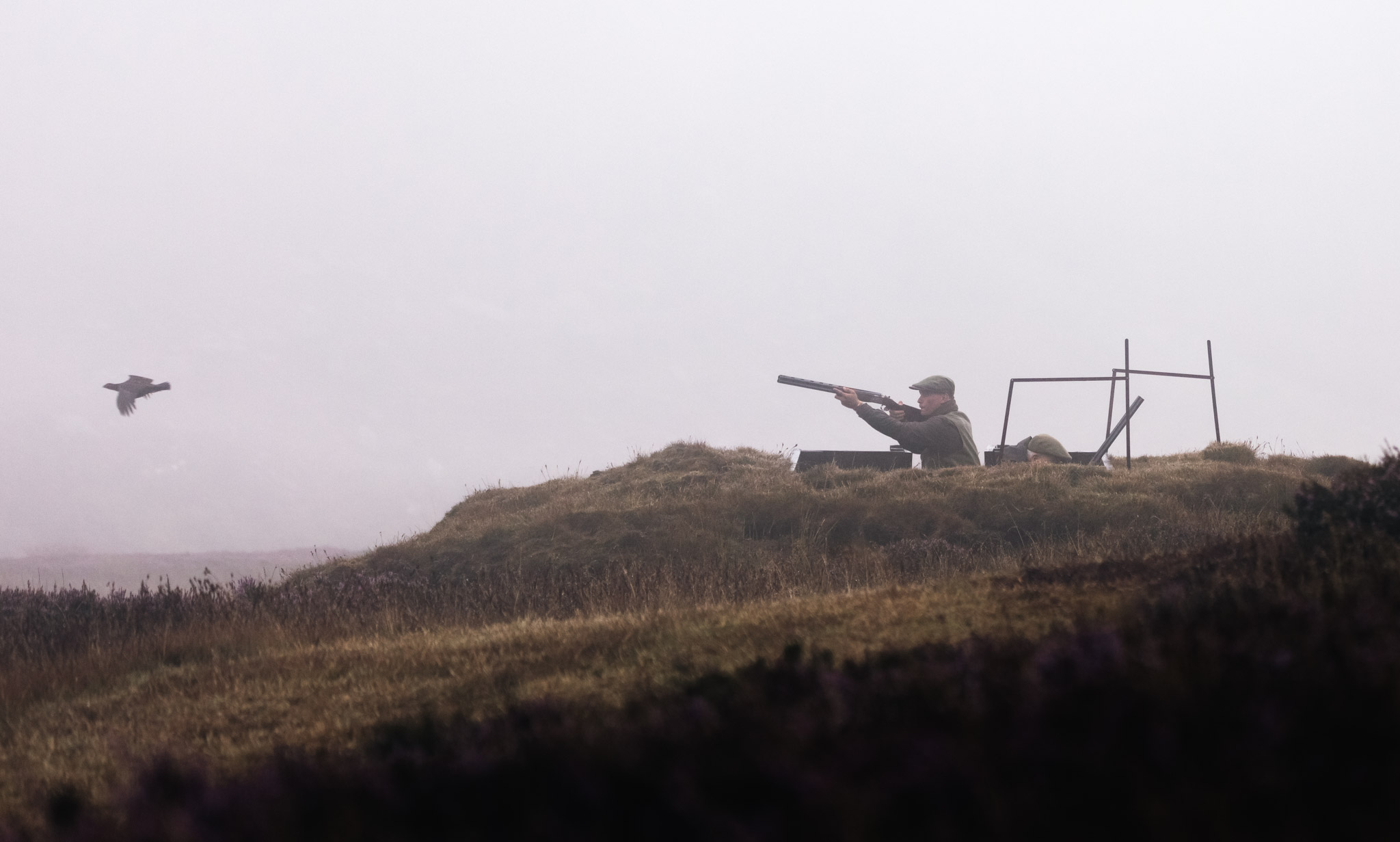
None of this means grouse management should escape scrutiny. But there is an enormous difference between improving a system and destroying it. The RSPB currently advocates licensing rather than prohibition, while campaign organization Wild Justice generated more than 100,000 signatures for a petition calling for driven grouse shooting to be banned. Parliament debated the matter in 2025, and although the government reiterated as recently as January 2026 that it has no plans to ban grouse shooting, political pressure is unmistakable. Scotland has already imposed licensing on land where red grouse are shot.
The irony is that the grouse themselves impose a far stricter quota than any politician ever could. If there is no sustainable surplus, responsible estates simply don’t shoot. This year’s cancellations are evidence of precisely that. Nature gets the first vote.
Which made our Yorkshire days all the sweeter.
There was the purple-brown immensity of the moor, the expectation before each drive, the mirth among friends and that peculiar mixture of poise and adrenaline that accompanies driven grouse shooting. Most memorable was watching accomplished wingshooters encounter grouse for the first time and discover that all they believed they knew about shooting suddenly had to happen about twice as fast.
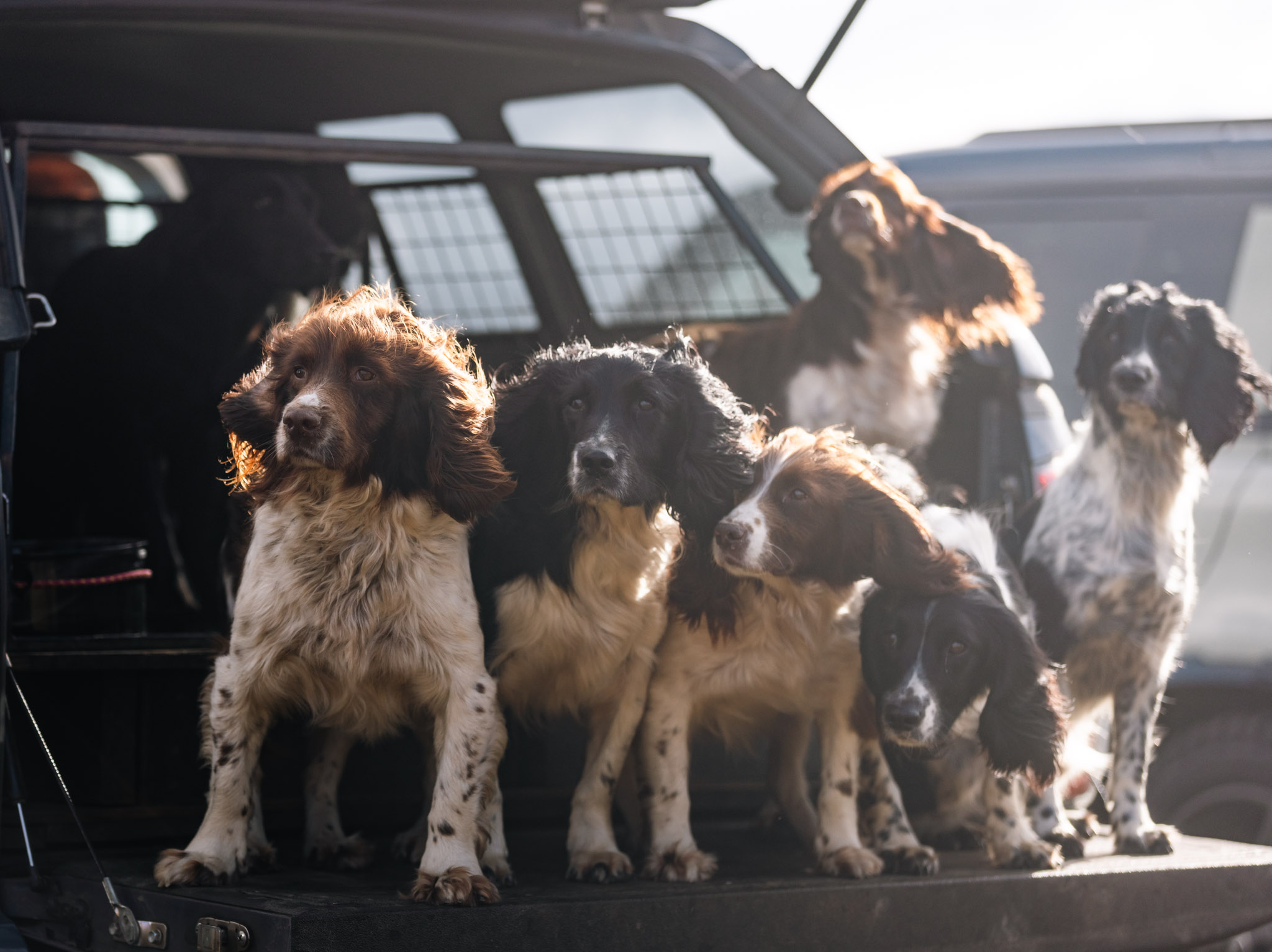
The Glorious Twelfth endures because it represents far more than a date on a sporting calendar. It connects wild birds, spectacular country, rural employment, food, friendship and a conservation system funded largely by people willing to pay dearly for the privilege of participating in it.
And when a covey of Yorkshire grouse appears without warning, rockets over the heather and disappears behind you almost before your brain registers what happened, all the history and economics temporarily become irrelevant.
You simply smile, reload and understand once again why driven grouse remains the sport of kings.