
Congratulations are apparently due to Argentina, where politicians have discovered a revolutionary new principle of wildlife conservation: If an animal has economic value, make sure it doesn’t.
In 2022, Argentina’s Environment Ministry adopted Resolution 133/2022, prohibiting the import, export and interjurisdictional movement of hunting trophies from native wildlife. The government’s reasoning was admirably uncomplicated. Sport hunting, it declared, is “not essential for human life” and places additional pressure on wildlife populations.
Well, neither are polo, tango lessons, Malbec, football matches or five-star hotels, but mercifully no ministry has yet concluded that Argentine civilization must therefore do without them.
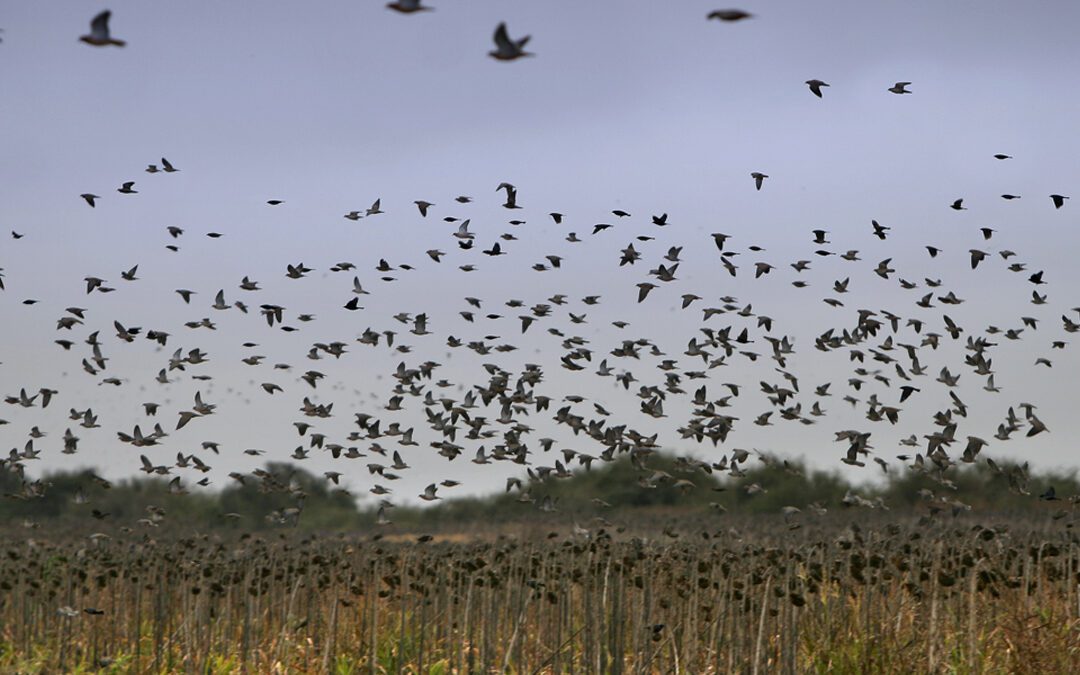
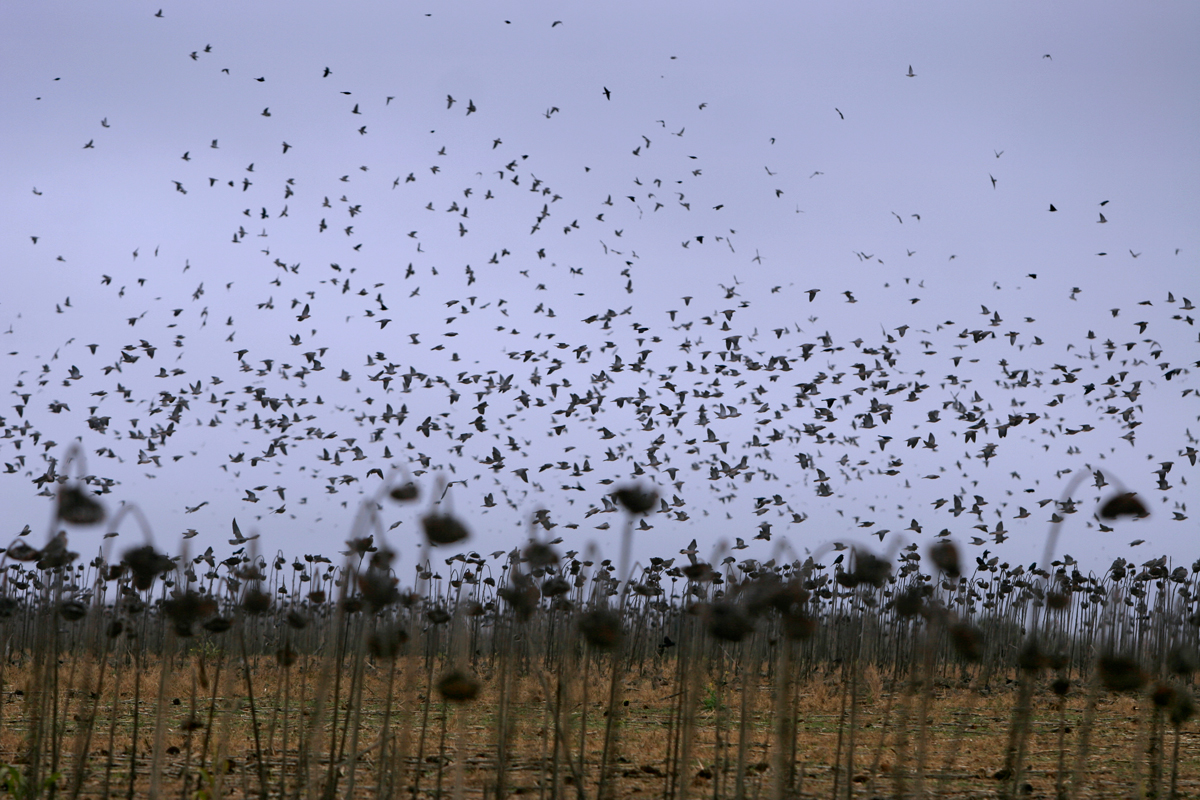
There is just one inconvenient detail. Argentina’s relationship with some of its game birds—particularly eared doves and certain ducks—is not a Disney movie. It is an agricultural-management problem that has existed for generations.
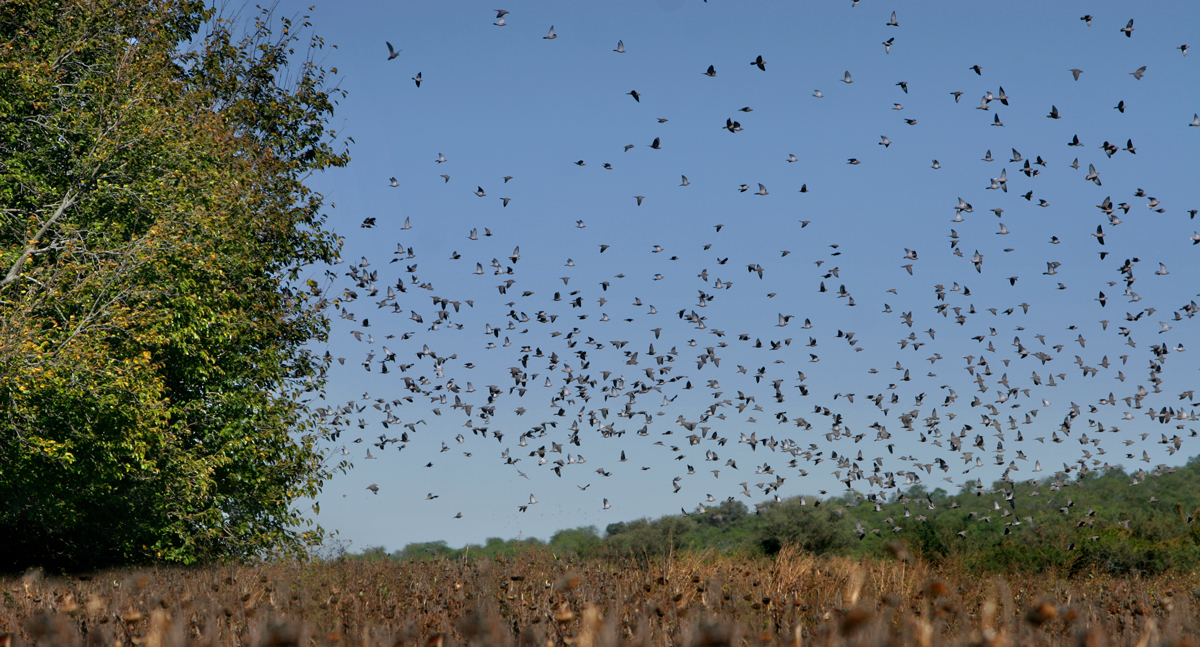
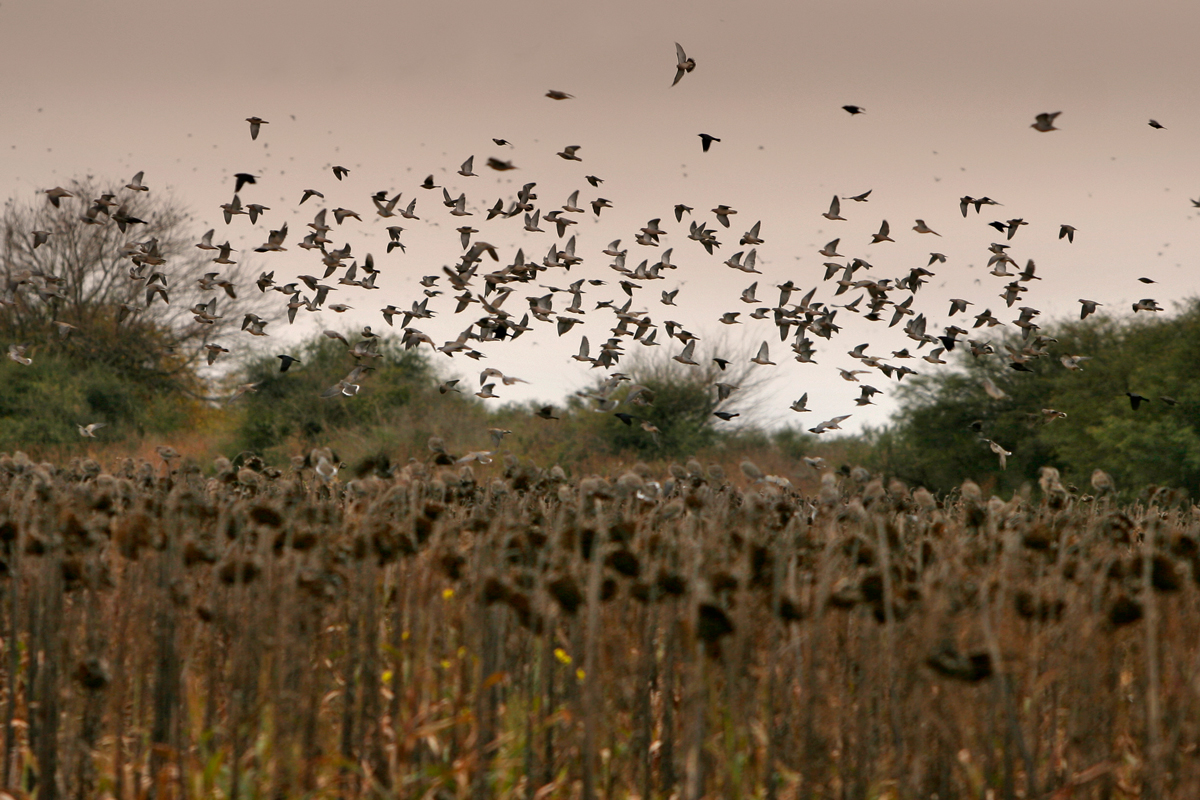
Scientific literature documents enormous eared-dove population explosions beginning in Córdoba in the late 1950s and later spreading elsewhere. Colonies numbered in the millions. Agricultural development provided grain, spilled seed, nesting cover and water on an almost industrial scale. Crop damage became sufficiently serious that authorities and farmers resorted to mass killing campaigns using poisoned bait and other lethal methods.
Ducks were treated much the same way.
In Argentina’s great agricultural regions, huge concentrations of ducks could descend on rice and other crops and were regarded not as valued game birds but as agricultural pests. By the middle of the last century, ducks were poisoned by the tens of thousands, their carcasses gathered up and buried because landowners had no economic reason to do anything else with them.
That history is worth remembering when modern activists imagine that removing hunting automatically removes mortality. Then capitalism committed one of its more unforgivable crimes: it gave the birds value.
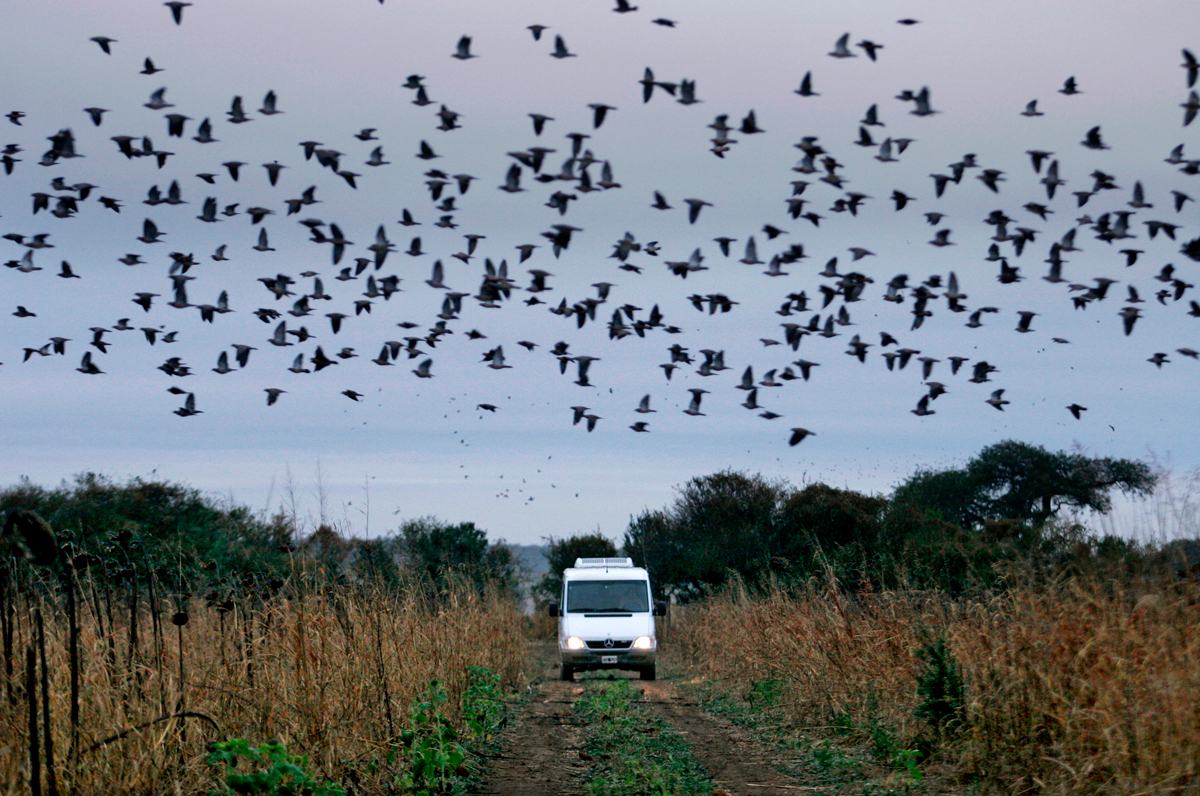
Foreign hunters—predominantly Americans—began traveling to Argentina not only for its legendary dove shooting but also for its extraordinary duck hunting. Suddenly an eared dove eating sunflower seeds, or a duck helping itself to a rice field, was no longer only an agricultural liability. It was something a landowner could convert into foreign currency.
Instead of paying to poison birds and bury them, farmers could be paid because the birds were there. An American hunter arriving from Atlanta, Dallas or Birmingham bought an airline ticket, hired a driver, stayed in a hotel or lodge, paid outfitters and guides, tipped field workers, ate in restaurants, bought wine and spent money in rural communities where financial opportunities were often scarce.
A 2018 report based on figures from the Argentine Chamber of Hunting Tourism estimated that Córdoba alone attracted about 10,000 hunters a year, roughly 75 percent of them Americans, with average spending of about US$740 per person per day and an average four-night stay. And those figures hardly capture the full economic effect.
Fly to Argentina from May to August and beyond and you will encounter plenty of American hunters on the plane. These travelers don’t just parachute directly into a dove field clutching sacks of American sandwiches. They use airlines and charter services. They hire shuttles. They occupied hotel rooms. They eat steaks. They buy Malbec. They shop in Buenos Aires before traveling into the countryside.
Those expenditures are scattered across so many businesses that much of hunting’s economic contribution disappears when someone looks only at a lodge bill and declares the industry insignificant.
But international animal-rights organizations have discovered that an emotional photograph is considerably easier to put on a poster than a rural economic multiplier. Humane Society International commissioned a 2022 Argentine opinion poll on trophy hunting, praised the Environment Ministry’s direction and acknowledged working with Argentine NGOs to press government officials on trophy imports and exports. In 2026, the campaign went regional, with a proposal backed by more than 70 NGOs seeking to declare the Mercosur trade nations free of hunting trophies.
Legislators have an obligation to distinguish between conservation biology and morality theater.
Nobody is arguing for unregulated slaughter. Establish seasons where appropriate. Set quotas where biology demands them. Protect threatened species. Police illegal hunting aggressively. Let Argentina’s wildlife professionals determine sustainable harvest levels.
But deliberately making abundant wildlife economically worthless is not conservation genius. It is conservation malpractice.
Argentina already knows what happens when huge populations of crop-damaging birds have no economic constituency. They cease being wildlife worth managing and become pests worth eliminating.
Poison does not book hotel rooms. Poison does not employ bird boys, cooks, drivers or guides. Poison does not care what other wildlife eats the bait. Poison does not leave a tip.
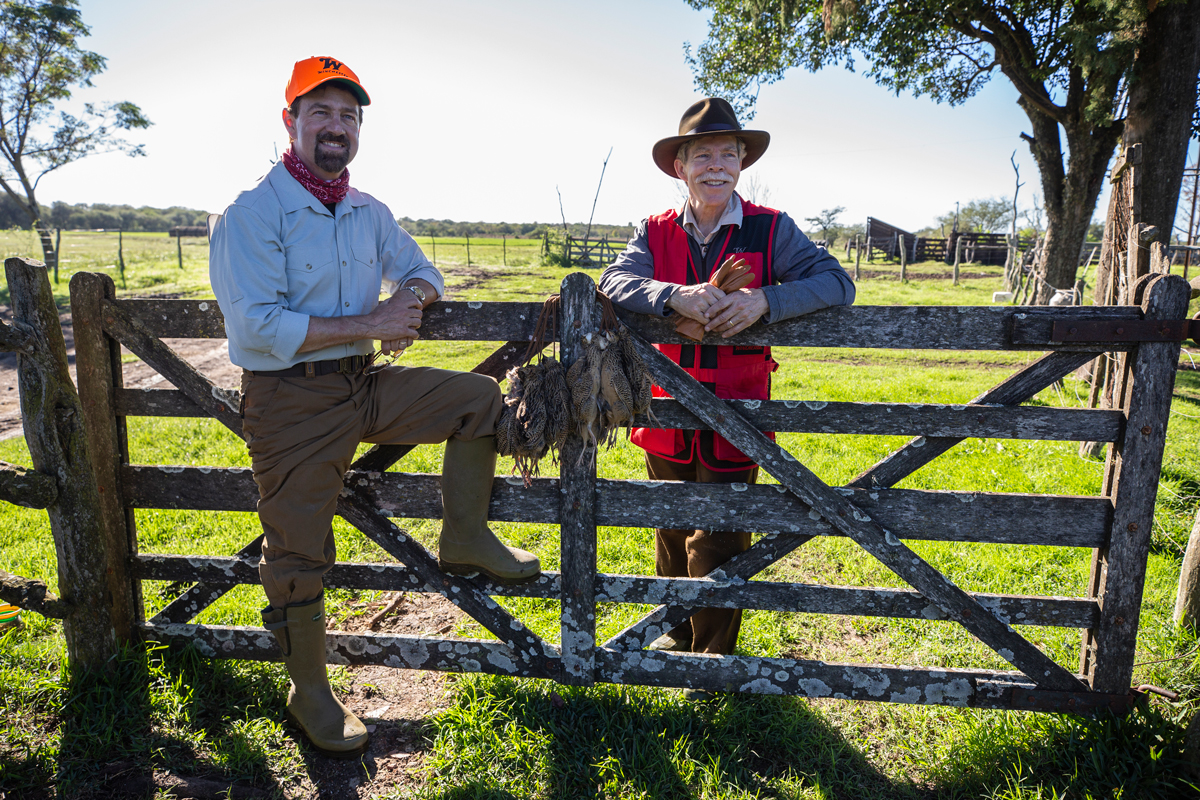
American dove and duck hunters helped turn animals once poisoned by the tens of thousands into renewable assets. They gave farmers a reason to tolerate them, habitat a reason to remain and rural communities a reason to value living birds.
Drive those hunters away, and Argentina may eventually rediscover the old solution: poison them, bury them and plant the field.
Apparently, that will be called progress.