
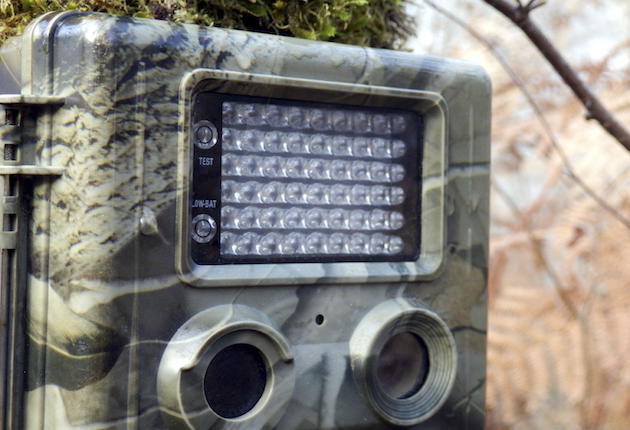
Wisconsin won’t be covering every square inch of the state with trail cameras, but it might seem like it. A new program will use thousands of trail cams to monitor wildlife in the state, its purpose twofold: find out how many deer and other species are actually present, and to involve its citizens in the identification of various animals.
Snapshot Wisconsin will use 6,000 trail cameras to cover nine-square-mile plots across the state. Just like the versions used by hunters, the cameras will activate when an animal moves through its sensor range, capturing an image day or night.
The Wisconsin Gazette reported that the images will be uploaded to a crowd-sourcing site named Zooniverse for the masses to view, teaching the public to identify wildlife via an accompanying field guide … helping researchers with otherwise tedious work at the same time.
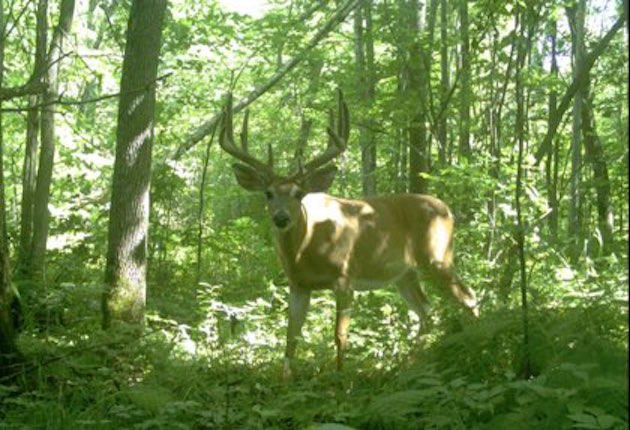
One of the many photographs already resulting from Wisconsin’s extensive use of trail cameras. (Photo via Zooniverse)
Viewers can view the photographs and select whether a deer, wolverine, skunk, bear … hopefully they already know what these species look like without the guidebook … coyote, or other species is present in the shot. If the camera was tripped by a swaying branch or a bird flying past, the viewers can select “Nothing here” and continue on.
The cameras are primarily tasked with surveying deer populations ahead of each hunting season. Wisconsin’s DNR has received criticism in the past for overestimating the number of deer in the state’s herd, leading to an outside expert’s recommendation to use trail cameras to better estimate the number of animals present.
Per Wisconsin DNR: “This information will help the department with population estimates and setting harvest quotas. Additional methods to measure the wildlife populations will be useful at statewide and county levels. Snapshot Wisconsin provides a systematic method that will contribute information on management aspects such as fawn-to-doe ratios and also deer population trends over time. This information will help counties and the state better understand changes in the herd.”
Pittman-Robertson money will also be used, with the Gazette putting the amount budgeted for the program at $300,000. An additional $1 million will come from NASA, who is helping fund various projects that tie in with its landscaping imaging technology.
Cameras will be placed on both public and private lands. The DNR is inviting landowners to host a trail camera on their land, in addition to helping categorize the images through Zooniverse.
The site is already live, thanks to 560 cameras that are on the ground and operational. These initial cameras are largely tasked with elk monitoring, so the resulting imagery should be interesting. Click here to see what photographs have already been uploaded.