
The wind shifted overnight, and those northerlies sure cut yesterday’s highs in half. Replacing the hazy hot and humid was dog running weather; mid 40-degree highs, moderate humidity and a consistent, light-variable breeze. Carried on the wind was more than scent, and they brought both smells and sounds. It was deceiving, for both seemed far, far away when they really were quite close.
I noticed the clean, sweet and woody smell of the pines. Loblolly, short leaf, slash and long leaf were the ones I knew, but there were a few strangers, too. Some say they can tell the aromatic difference between the pines, and I suspect that may be right.
I guess it would take practice, the kind that accompanies boot treads filled with red clay on a regular basis.
Next came the sounds of groaning boards, creaking leaf springs, squeaking leather, rattling chains and clip clopping hooves made by the procession of the quail wagon. There was a stately solemnity to it and, when paired with the piney woods, I started to believe in perfection.
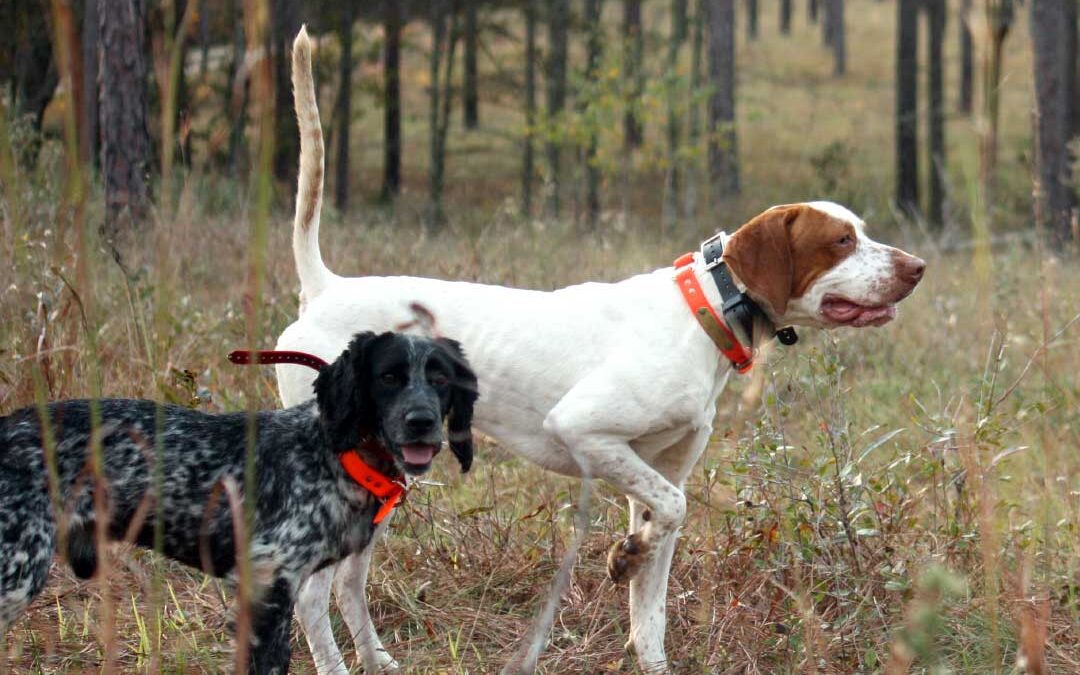
Perching on one of the padded bench seats is fun, but there is a benefit to sitting deep in a McLellan saddle. When riding on horseback you’re always closer to “The Show.” The Show begins when muscle-bound pointers and the statuesque setters carve up a quail field and seem like they’ll run for forever. Hopefully they won’t and will instead pause long enough to lock down a big covey and let the guns get positioned. When they are, the fanfare begins. Strike dogs—field cockers, springers, Boykins or Labs—tear around until they put every bird in that covey into the air. They’ll pick up what drops and, when done, the page turns, and everything begins all over again. There is a degree of pomp and ceremony no doubt, but isn’t that to be expected? Afterall, running pointing and flushing dogs together is one of the ultimate forms of dog training.
It wasn’t always that way, though. John Rex Gates, the late and legendary trainer, handler, breeder and the youngest inductee to the Bird Dog Hall of Fame, has seen the use of pointing and flushing dogs increase dramatically in the past few decades. “When I was a kid there were always plenty of wild coveys of bobs,” he once said. “They didn’t need any help from a flushing dog to get off the ground. But a few decades ago, released-bird operations became popular, and those quail needed a little motivation. Pointers and setters mostly found the coveys and a variety of flushing dogs were used to put them in the air.
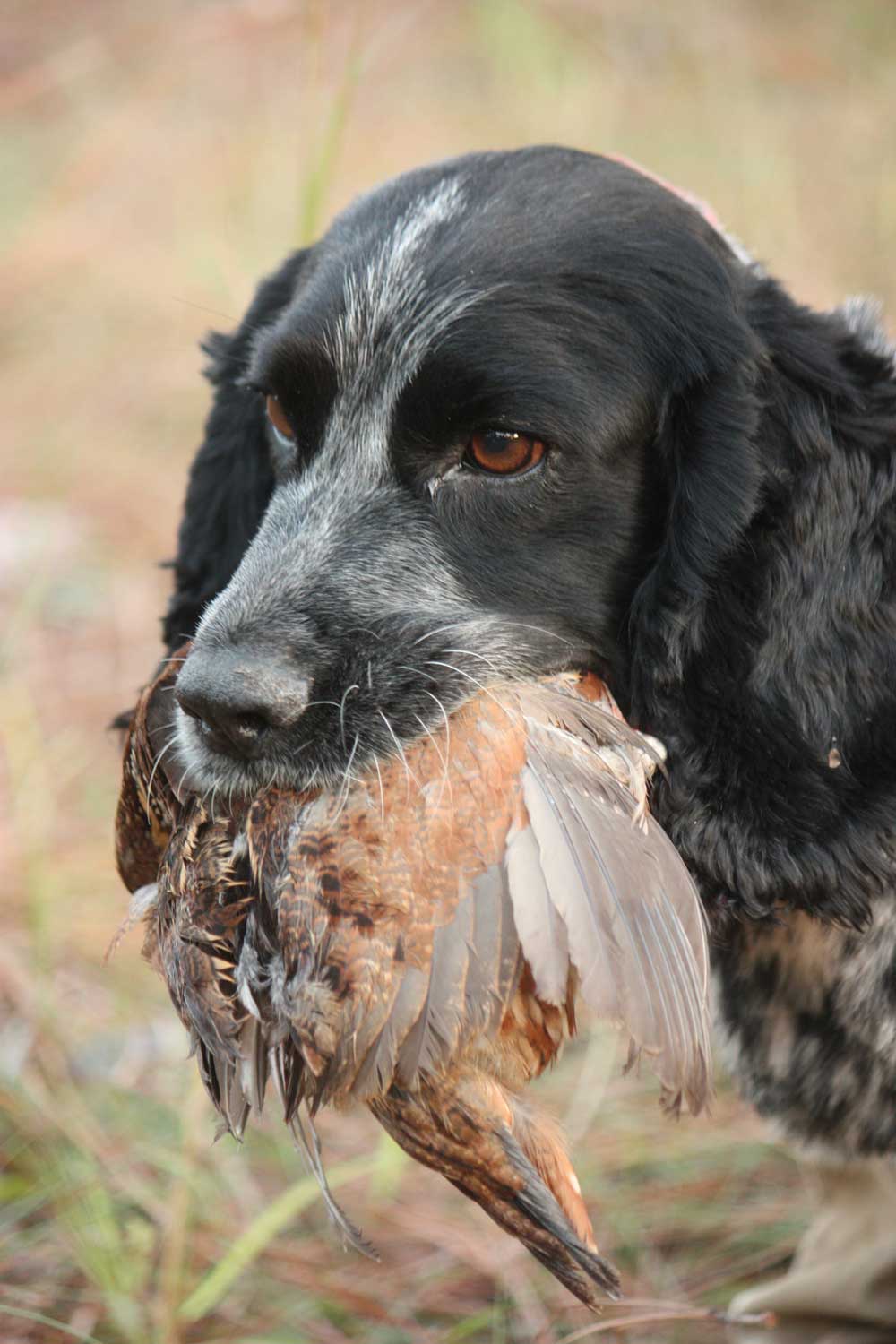
“Twenty years ago you’d hardly see an English field cocker, but all of a sudden they had become highly sought after. I love cockers because they are fun and biddable. They’re natural retrievers, and when they’re looking for a covey they don’t know when to quit. They’re great for picking up dead birds, and because of their small size they make for safe hunts. The demand for high-quality English field cockers had become been significant.”
The running of pointing and flushing dogs together allows each dog to focus on what he was genetically bred to do. In softer grasses and wide-open spaces, big running dogs are ideal. In thicker, more brushy cover, closer working bird dogs or versatile dogs excel. Match the terrain to your flushing dog, and you’ve got your team. Longer-legged dogs such as Labs can bull their way through thick grasses, while cockers can snake their way through the gaps closer to the ground. Each dog used in the way in which he was bred brings about a clarity of vision and a single-minded focus. It’s best when the guns round out the performance by bringing their A-game.
The game is played at different speeds. On horseback, more ground is covered at a faster pace. When they find a covey, they’re usually far out in front of the wagon, so rock-solid steadiness is a must. There can’t be any individual thinkers that feel like repositioning, for if they do, they’re likely to pressure the covey. Birds will run and spread out, and when the guns are finally ready, they’ll see an erratic rise. The bird dogs also need to be broke through and to stand tall during the commotion of a strike dog at work. It ain’t pretty if a brace of bird dogs break and join in with the flusher’s fun.
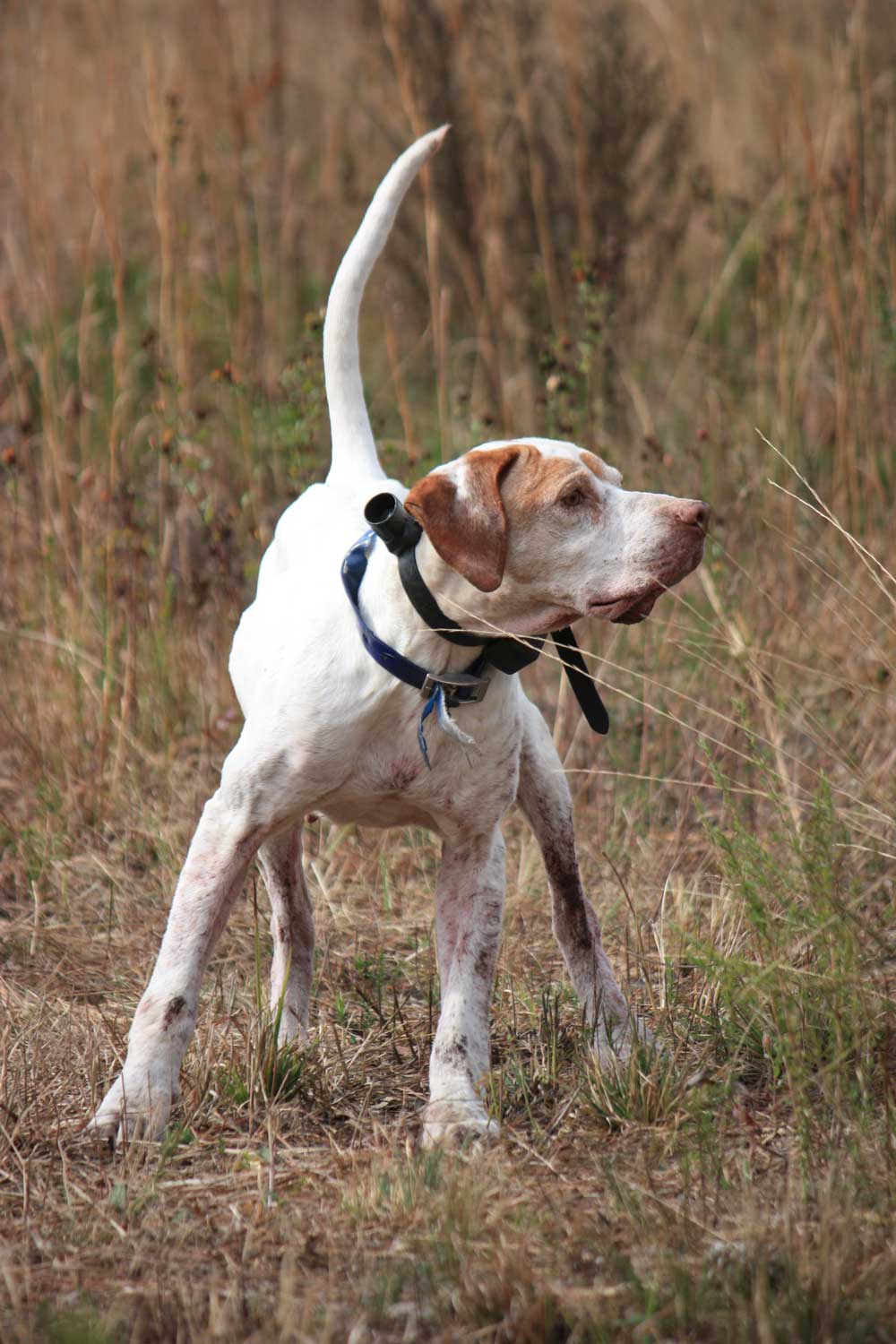
The foot soldier moves at a slower speed, and that might require a slightly higher form of dog training. While casting a closer working brace, the handler needs to keep track of those dogs and the hunters, all the while heeling a strike dog at his side. Maintaining order is key for, if allowed the strike, dogs will want to hunt on their own. Handlers require their strike dogs to honor the pointing dogs by making them “hup” prior to release. Hup is the British word for “sit” and, after honoring, the strike dog is released. This kind of orchestration is known to select groups. I can think of a head football coach, an air traffic controller, a conductor, among a few others.
When the covey flushes, the birds will fly somewhere between the tops of the Johnson and switch grasses and the skeins of Spanish moss that droop from the cypress trees. The birds waste no time climbing to that altitude for it whisks them away on their escape. If done properly, the guns are presented with an excellent shot. A pop from their favorite 20 or 28 gauge keeps the quail from slipping past the bicolor lespedeza that favors the moisture in the draws.
Sometimes there is an opportunity to follow up singles, but it’s just as much fun to move on to find the next covey. It’s a tremendous amount of fun to work pointing and flushing dogs together. And if you’re successful in doing so, then give the dogs some beef broth to go with their kibble and pour yourself an extra finger. As a team you’ve more than earned it.
This article originally appeared in the 2025 May/June issue of Sporting Classics Magazine.