
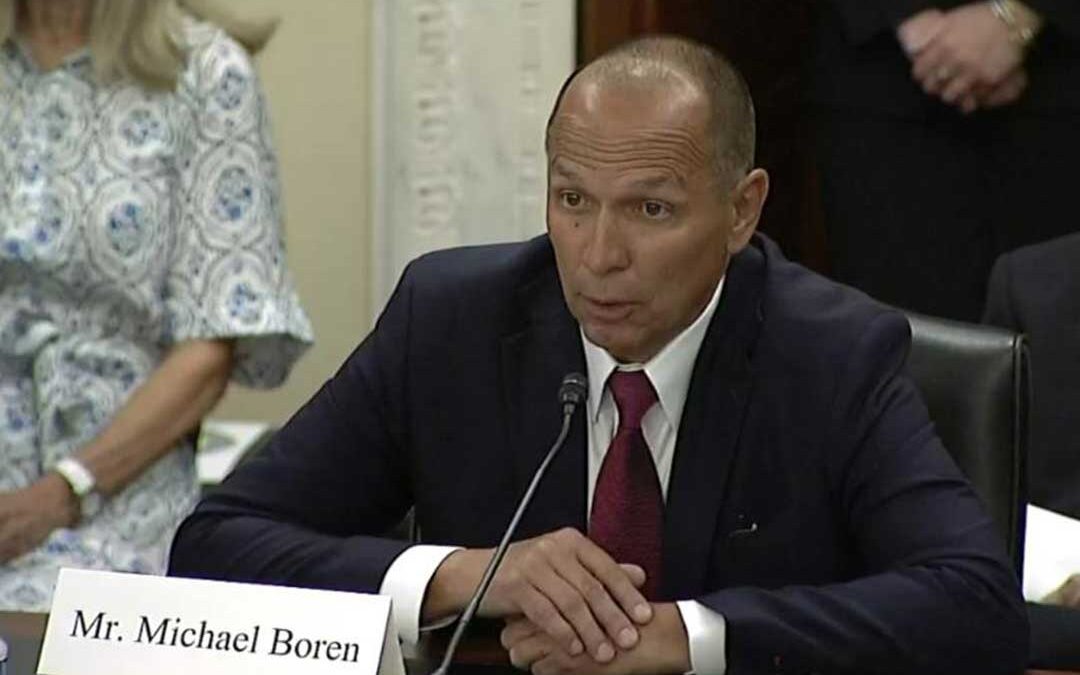
Little confirms that you’re the right choice for the Trump Administration quite like an attack piece by the New York Times. For Idahoan Michael Boren, an appointment to serve as Undersecretary of Agriculture for Natural Resources and Environment, a job that would put him atop the US Forest Service, has come with scrutiny over previous dust-ups with the agency that he may soon oversee.
While some view his previous encounters with the agency as disqualifying, others see them as proof that he’s exactly the right man for the job to course-correct an agency that has been widely criticized in recent years for mission drift from its traditional role of active forest management to one of forest preservation.
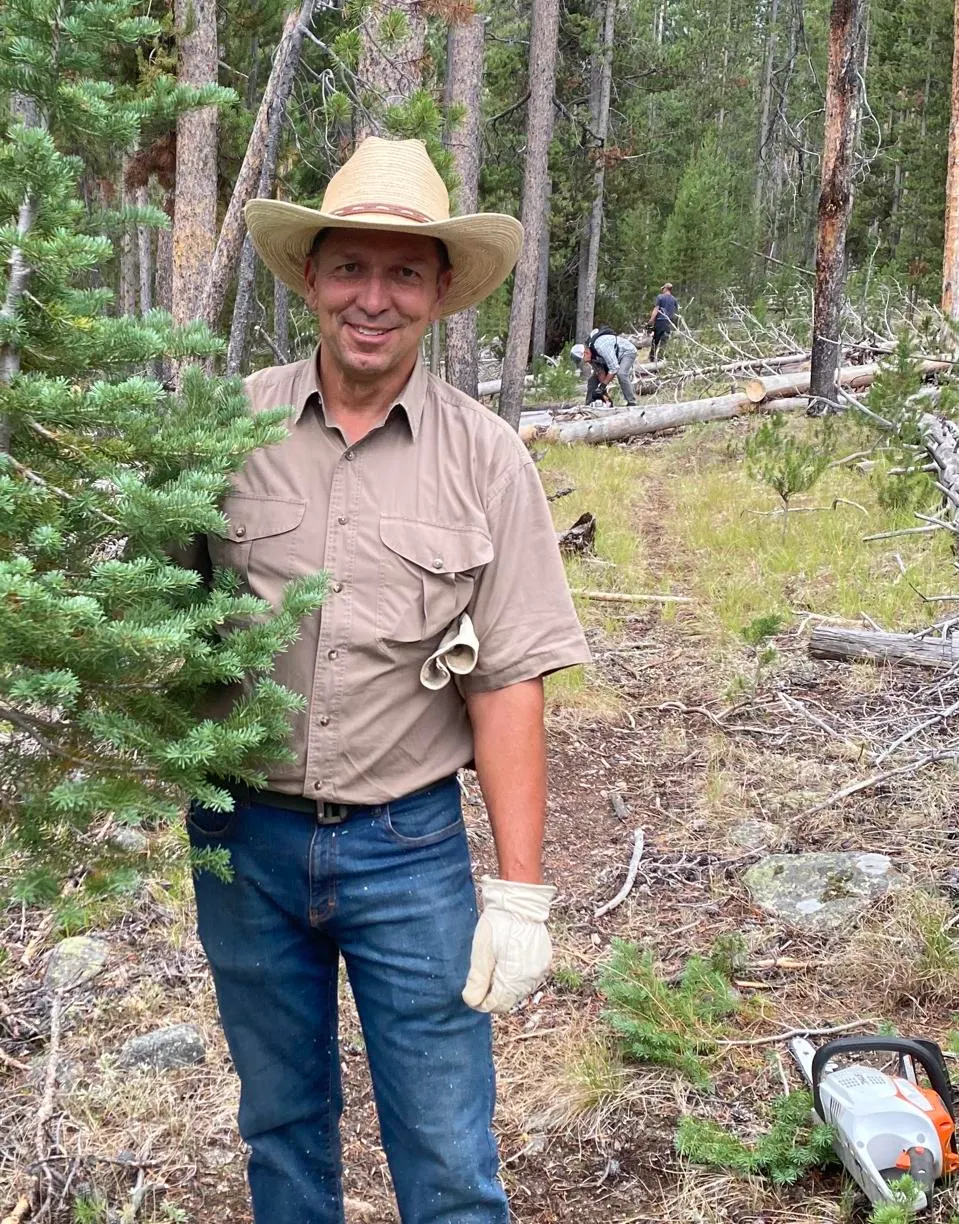
Boren at home on the range in Idaho clearing forest trails.
The policy shift has been blamed for myriad problems for the agency that oversees more than 200 million acres of federal land, not the least of which is a decline in biodiversity and a rise in catastrophic wildfires across the West.
“Active management of our forests is essential for wildlife, healthy habitat, and wildfire mitigation” says Kyle Weaver, CEO of the Rocky Mountain Elk Foundation. “Eventually you come to the conclusion that we’re not managing our forests and that has to change—for the sake of people and wildlife.”
For Boren, one of the founders of Clearwater Analytics, a Boise-based investment and accounting software company, also owning ranch properties in the West has brought him firsthand experience dealing with what some see as cumbersome and sometimes oppressive federal agencies like the Forest Service and Bureau of Land Management (BLM).
“Reflecting President Trump’s outsider-driven, disruptive leadership style,” says Chris Cox of Cap6 Advisors, a Washington D.C. based conservative strategy and public policy firm, “changing agency culture isn’t likely to come from within, but from outsiders who’ve experienced these agencies as the citizens they’re meant to serve.”
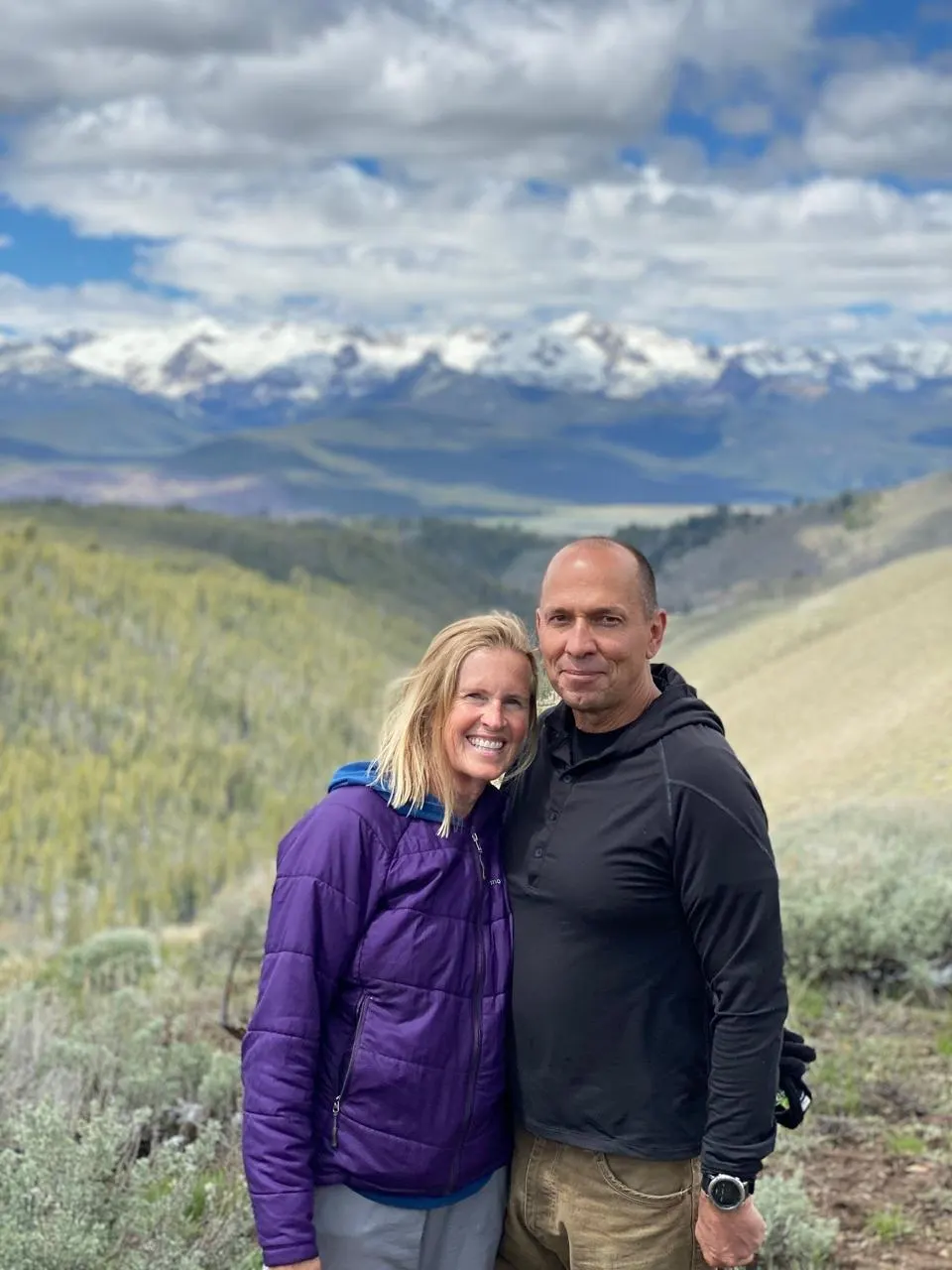
Boren with his wife Joan. The couple have owned multiple ranches in Idaho for many years.
With a headline, “He Built an Airstrip on Protected Land. Now He’s in Line to Lead the Forest Service,” the Gray Lady didn’t waste time questioning Boren’s appointment. Never mind, however, that the grass airstrip was on Boren’s own ranch property which he made available for Forest Service use as an emergency landing site for aircraft in distress and for search and rescue efforts.
“Mike’s strip was not illegal,” says long-time friend and lawyer Jon Christianson. “There is nothing in the law nor in the easement covering his property that prevented him from using it both as a pasture and a grass airstrip. In fact, he did not need to get approval from the county under the zoning ordinance. Ultimately, the county planning and zoning commission and the county commissioners both approved the use of the pasture as an airstrip. And for the record, I have seen far more herds of elk and antelope on that ‘airstrip’ than I have airplanes.”
The Times even sent a photographer to capture an aerial view of the airstrip which looks remarkably like the pasture surrounding it. Had they wanted to photograph mule deer or elk grazing on the strip, there’s little doubt they could have.
“I’ve known Mike Boren for 10 years,” says Charles Potter, President and CEO of the Chicago-based Max McGraw Wildlife Foundation. “He’s been a strong advocate for improving public access and has granted it to the BLM on his Idaho ranch properties. As a pilot, he’s also flown countless missions at his own expense to aid in firefighting and backcountry search and rescue missions.”
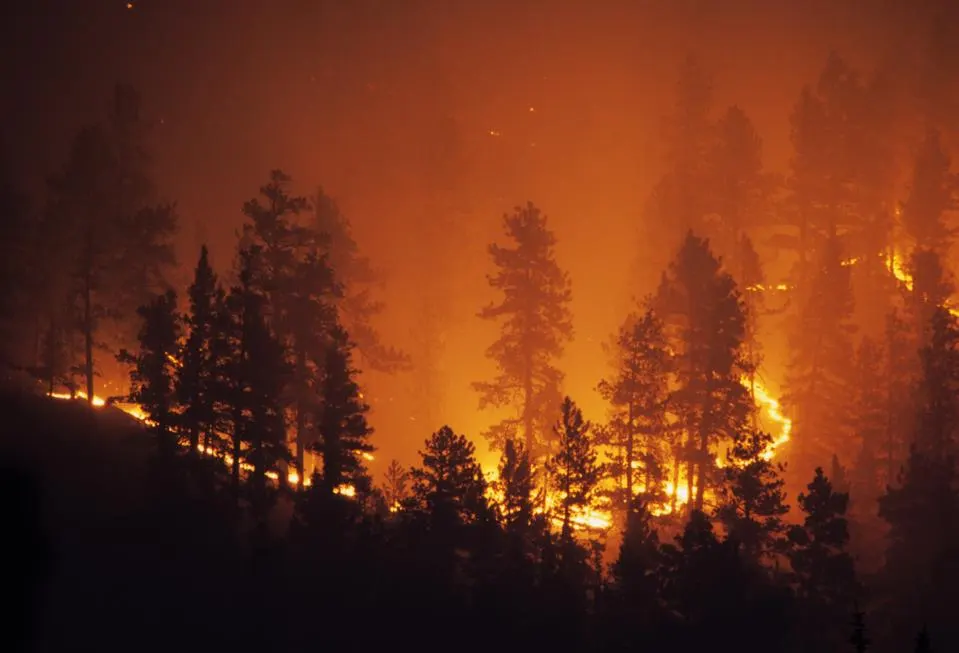
The Trump Administration wants the Forest Service to return to active forest management as part of an effort to reduce the impact of forest fires.
Boren is being tapped for the post largely because of the Administration’s belief that the Forest Service needs reforming to better manage our forests, minimize catastrophic wildfires, drive forest products investments to improve rural economies and provide better fish and wildlife habitat along with recreational opportunities that all stem from active forest management—not forest preservation that has become the agency’s direction in recent years.
“The notion that cutting trees is bad for the environment is simply false,” says Potter. “The reality is that without active forest management we will continue to see many species of wildlife decline—especially many woodland bird species including ruffed grouse and woodcock, very popular game birds for hunters in the eastern US. Timber harvest creates jobs, revitalizes ecosystems, and improves air and water quality. It’s truly a win-win-win.”
As for the Times’ report regarding Boren’s brushes with the Forest Service, Potter says it misses the fact that Boren has consistently worked with the agency.
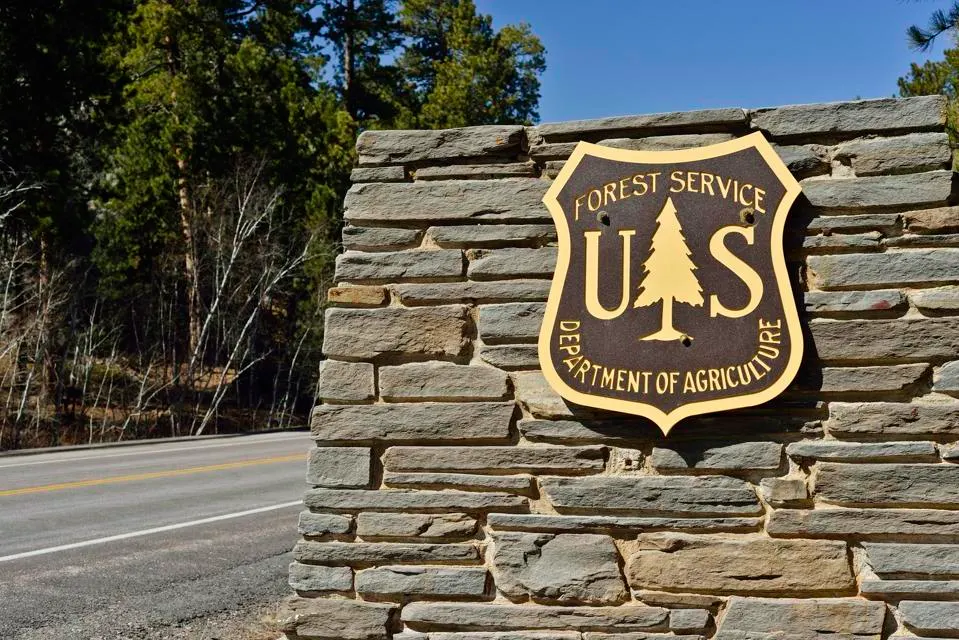
Keystone, South Dakota, USA – April 2, 2013: The emblem of the US Forest Service, part of the Department of Agriculture outside of Keystone, South Dakota.
“He has a long track record of working with the Forest Service on his ranches. You cannot ranch in the West without working with agencies like BLM or the Forest Service. His properties are considered models for sustainable ag practices,” says Potter. “He maintains lower livestock levels to provide for abundant wildlife—particularly elk and deer—which also improves water quality in mountain trout streams.”
“Unfortunately, those who oppose him are doing so mostly down political lines because they see a successful businessman and Trump supporter rather than a problem solver with vast experience managing and improving land in the West,” says Potter. “He’s just what the Forest Service needs at exactly the right time.”
“The Forest Service is broken and needs an outside businessperson to execute a turnaround,” says Christianson. “There are few successful business professionals that know both forests and the Forest Service as well as Mike does. The nation is lucky that someone as capable as he is would be willing to take on this difficult but important task.”