
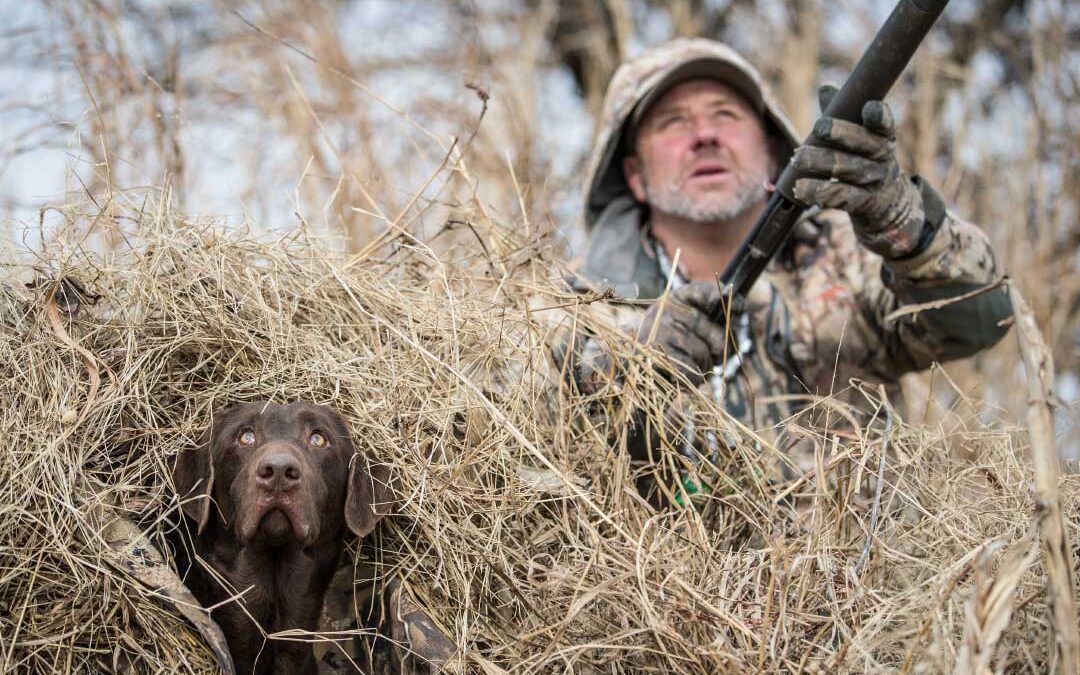
Scupper was shaking so much that I thought he might spook the black ducks circling overhead. It was cold, there was some ice in the saltmarsh, but we weren’t out here long enough for him to be cold. Heck, it wasn’t even legal shooting time, so the only time he got wet was when he walked through the water into the blind. He was a young Lab, so I figured he was just excited. Still, I held on to his collar when the morning volley went off, and it was a good thing I did. He nearly pulled my arm out of its socket trying to jump ahead of Ray for the retrieve.
That experience got me thinking about the Robert Redford movie, “The Horse Whisperer.” I do believe that there are some handlers and trainers who just have that next level kind of instinct that helps them see things differently. If you’re running a string, it helps to be a dog whisperer, but I don’t think it takes much heavy lifting to be able to read your dog. It just takes some practice and observation is all. Anton Chekhov’s advice to young writers was “don’t tell me the moon is shining; show me the glint of light on broken glass.” It also applies to dog men. Our pups can’t say what’s on their mind, but they sure show us what they’re thinking and feeling.
Bird Dog Hall of Famer, Harold Ray, of Smith Setters in Waynesboro, Georgia, says that reading your dog’s signs is important to avoid a bad experience that could ruin him for life. “Anyone can read a dog, but you’ve got to pay attention,” he said. “Ears are one of the first things I look at, the same as a horse. If the ears are pinned back then the dog is scared, nervous or defensive. Dogs that have their ears pinned back are very tough to teach. They’re not in the mood to learn. Forcing them is never a good idea, so take a break and come back another day.”
Ray also looks at a dog’s eyes. “If a dog isn’t looking at you straight away then something is wrong. Like with his ears, a sideways glance shows he’s scared, nervous or defensive. To have a productive session, you need to get him refocused, so start by taking him for a walk on a lead. When he starts to pull, turn and go in a different direction. When you make that change, you’ll notice that the dog will start cutting his eye to the side. He’s looking for my reaction. I just pull on his lead and don’t jerk. I’ll repeat that walk going in different directions. When I stop and the dog looks directly at me, not one of those glances out of the corner of his eyes, I know he’s ready to go to work. The key here is that the exercise got him to pay attention. All it took was a walk with some directional changes to show him who was running the show. There wasn’t any yelling, hollering or e-collar stimulation. A simple walk got my dog in synch with me, and from that we have a good foundation to start our work.”
Sometimes Ray identifies behaviors that he can’t change. “A lot of dogs that look around on point, ones that are flagging, and ones that aren’t intense might have had something happen to them in a previous training session. I like to finish the lesson with a dog having the same amount of energy they had when they were a puppy. Puppies are always happy, they’re curious, and they want to figure out things. They live to run, look for birds and work. If that joy is taken out of them, usually by overhandling or heavy handling, then they can show you that they’re not happy doing what they’re doing. They’ll flag on point, reposition several times or just don’t have a staunch point. Some of those character traits can be genetic, but in most instances it’s that the dog’s confidence has taken a hit while training. If you want your dog to be bold and confident, then remember that for every lick you give him you should give him 20 pats.”
It’s not much different when reading a retriever. Chris Akin, of Webb Footed Kennels in Jonesboro, Arkansas, says that anyone can read a dog. The Eukanuba pro trainer says, “Dogs are like teenagers, and their body language tells it all. Walk down the hall in a high school and you’ll see a guy standing straight up with his chest puffed out. He’s confident, bold, and may even be a little cocky. Another student who averts eye contact and walks with shoulders slumped down probably is feeling somewhat insecure. If you can walk into a room and can read people, then you can do the same with dogs.”
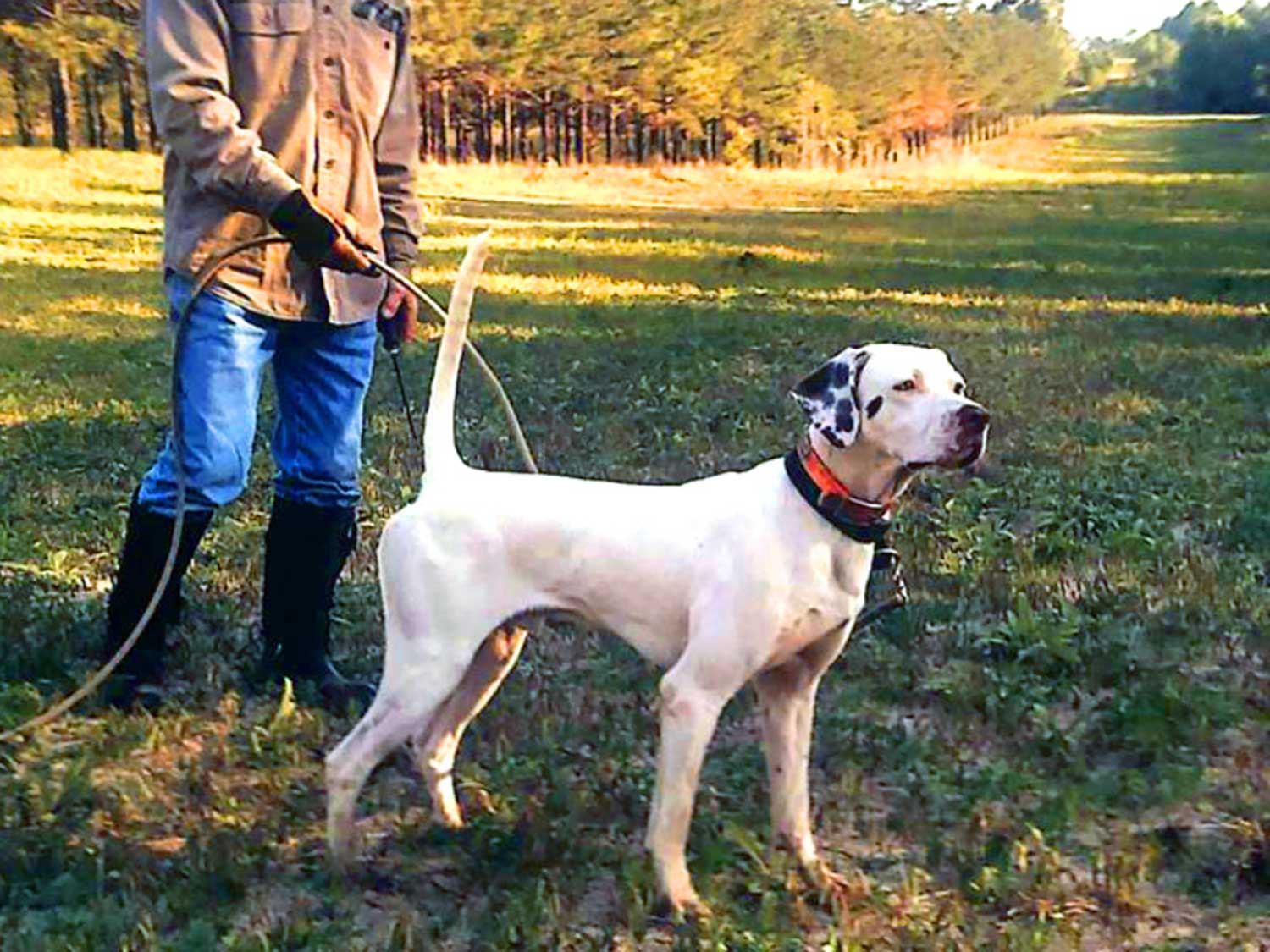
Akin says forward means go and backwards means no. “Any time you see forward movement in a dog you know that he’s feeling confident, happy and ready to go to work,” he said. “I look at tails, eyes, ears and shoulders. High tails, bright eyes and forward ears tell me a dog’s ready to go. But I key in on the shoulders. If a dog’s shoulders are slightly forward, we’re good. If they’re really far forward, then I’ve got an arrogant dog. That cocky dog is going to have a big run but he’s gonna test me every step of the way. By watching him I know I’ve got to throttle him back to keep him focused and on track. A backward position usually means one of two things.
“A dog with his ears pinned back is scared, but if he’s got his tail tucked back under his body then he lacks confidence. Your training should focus on getting the dog into a better place where he’s having fun and enjoying his work. Watch to see when he starts to lick his lips. That means he’s submitting and is obedient. You’re about when you’ll both start to have some fun, that’s for sure.”
When I drop my tailgate, I look to see which dogs are pawing at the kennel. When I turn the latch on the cage door, I’ll grab the one trying to push his way out and collar him up. I’m hoping to see two things when I put up on the ground. The first is for him to stand still and the second is to look up at me. If he does both then he’s saying that his focus is on me and he’s ready to go to work. All I need to do is to cut him loose and get ready for a big run.